
Are you considering purchasing a large aircraft? This is great news for you. Some military units are being put up for sale to the general public! Aside from that, this is going to be expensive. This stuff is expensive, so be prepared to shell out some serious cash to bring it into your house. It would be great if you could store them as well! Here, you’ll find all you need to know about renting a private plane for yourself. You must be very well-off if you’re even thinking about it! To be on the safe side, taking a look around is always a good idea. In the end, we don’t know what the future holds! Let’s take a look at what’s out there for you.
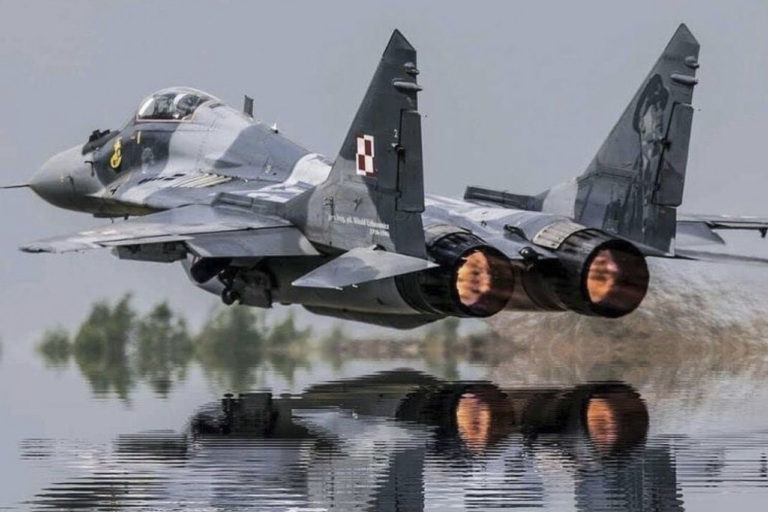
At Last, You Can Get Your Hands On The World’s Most Powerful Planes For Yourself!
Lockheed F-104 Starfighter
In the latter half of the 1950s, Lockheed unveiled the F-104 Starfighter to the world. It was widely used by various militaries around the world until the turn of the century. Italy, Turkey, Spain, Germany, and the United States have all used this plane in the past. The company has since discontinued this model, but it is still available for private purchase. The Starfighter’s development was aided by renowned aeronautical engineer Kelly Johnson. Additionally, he helped develop the SR-71 Blackbird and the U-2 spy plane. When it was still in use, it was deadly and sparked a great deal of debate. According to the FAA, there are currently 10 privately owned units in the United States. Starfighters Inc.’s civilian demonstration team includes three ex-military personnel from Canada.
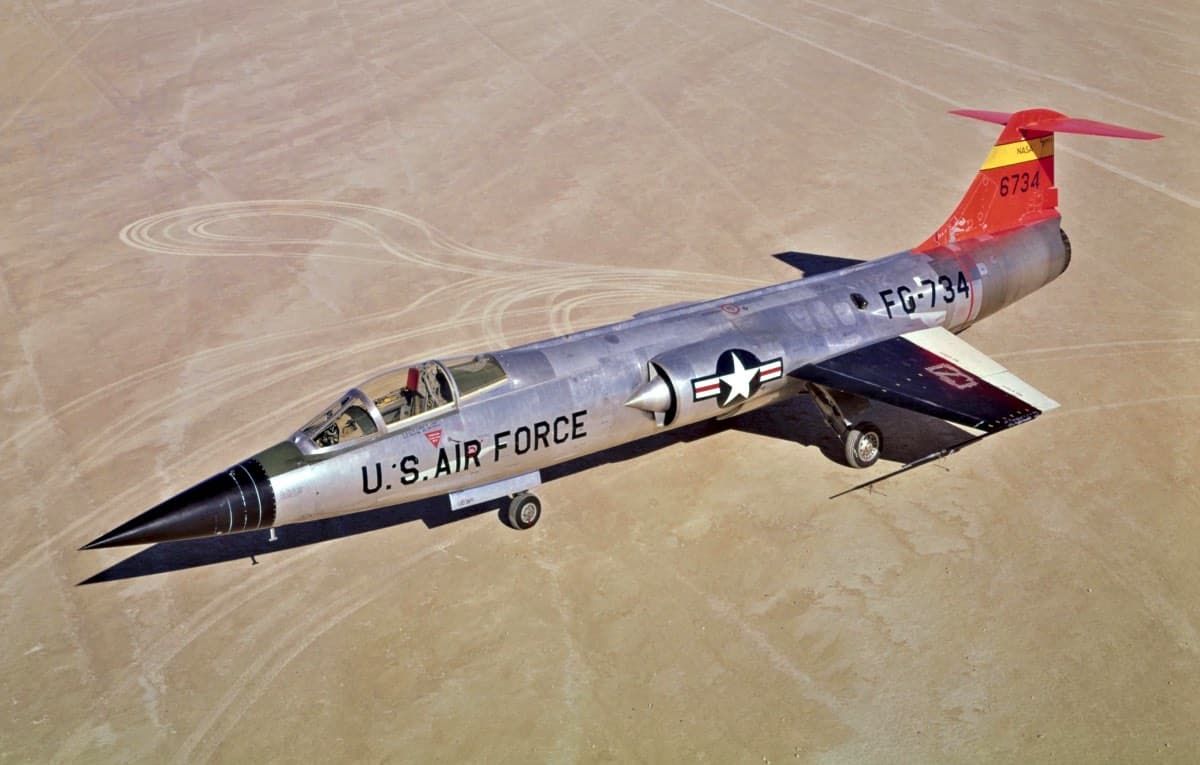
Lockheed F-104 Starfighter
North American P-51 Mustang
Classic: The P-51 Mustang is a North American icon. It was first developed by the British during World War II as a medium-altitude fighter plane. It, on the other hand, surpassed all of our hopes and desires. Adding the Rolls Royce Merlin and then the Packard V-1650-7 engines allowed it to soar higher and produce more power. A large number of bombers were escorted by this aircraft during various conflicts because of its long-range capabilities. Recently, it has become increasingly popular because of its meticulous restoration. Newly renovated apartments can sell for over a million dollars. It has a top speed of 430 miles per hour and could be a lot of fun if you get a chance to drive it.
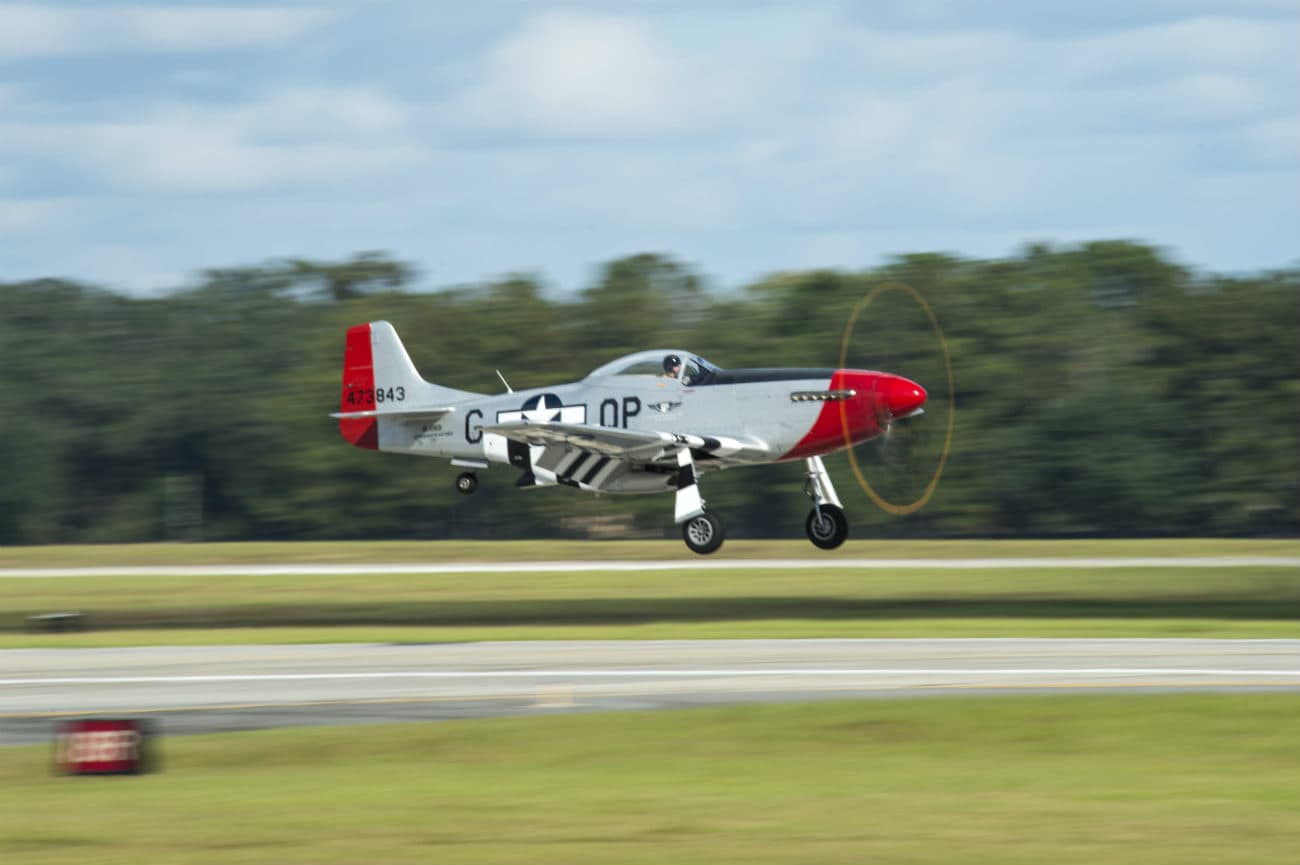
North American P-51 Mustang
Supermarine Spitfire
Did you know that the British produced the most Supermarine Spitfires during World War II? Furthermore, it was the only one that was consistently produced throughout the conflict. Different wing designs were available for different models. Compared to that, the Supermarine Spitfire 50 is still flying today. Many people regard the B-17 Flying Fortress as the most significant aircraft of the Second World War because of its role in the Battle of Britain. The Spitfire outperformed the Hawker Hurricane throughout World War II. civilians seek this model because of its historical importance.
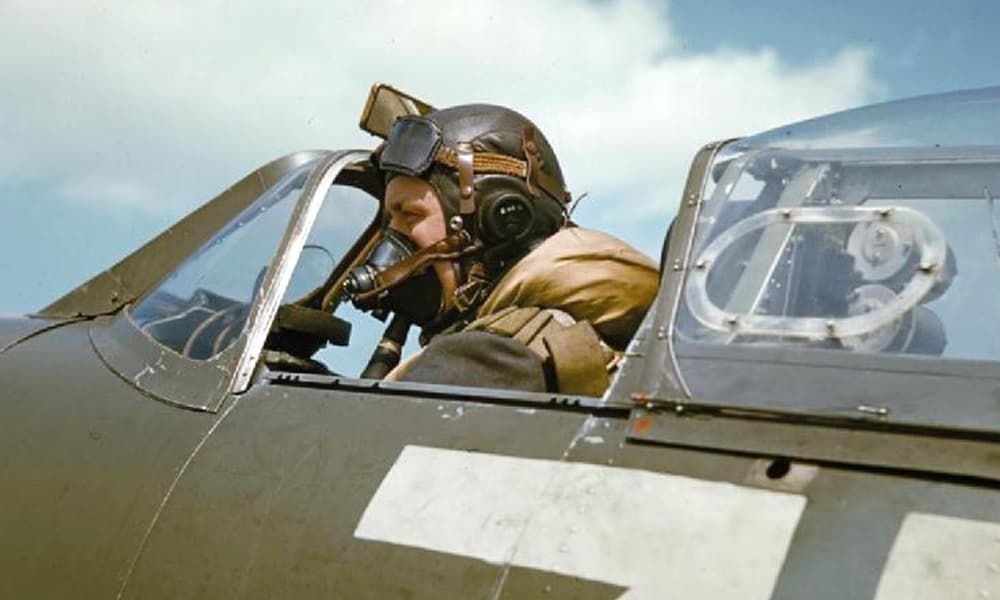
Supermarine Spitfire
F-4 Phantom II
The current market price of an F-4 Phantom II is $3.95 million. It’s one of the list’s less common aircraft. In 1960, it became a part of the fleet of the United States Navy. Even though it’s been declared retired, the Air Force still uses it on occasion. Supersonic two-seat fighter-bomber and jet interceptor with a long range is what this aircraft is all about. It made its public debut at a time when the capabilities of aircraft appeared to be advancing at a breakneck pace. It was a sight to behold for the enemies, reaching a top speed of Mach 2.2 and a payload of over 18,000 pounds. There’s a reason for that.
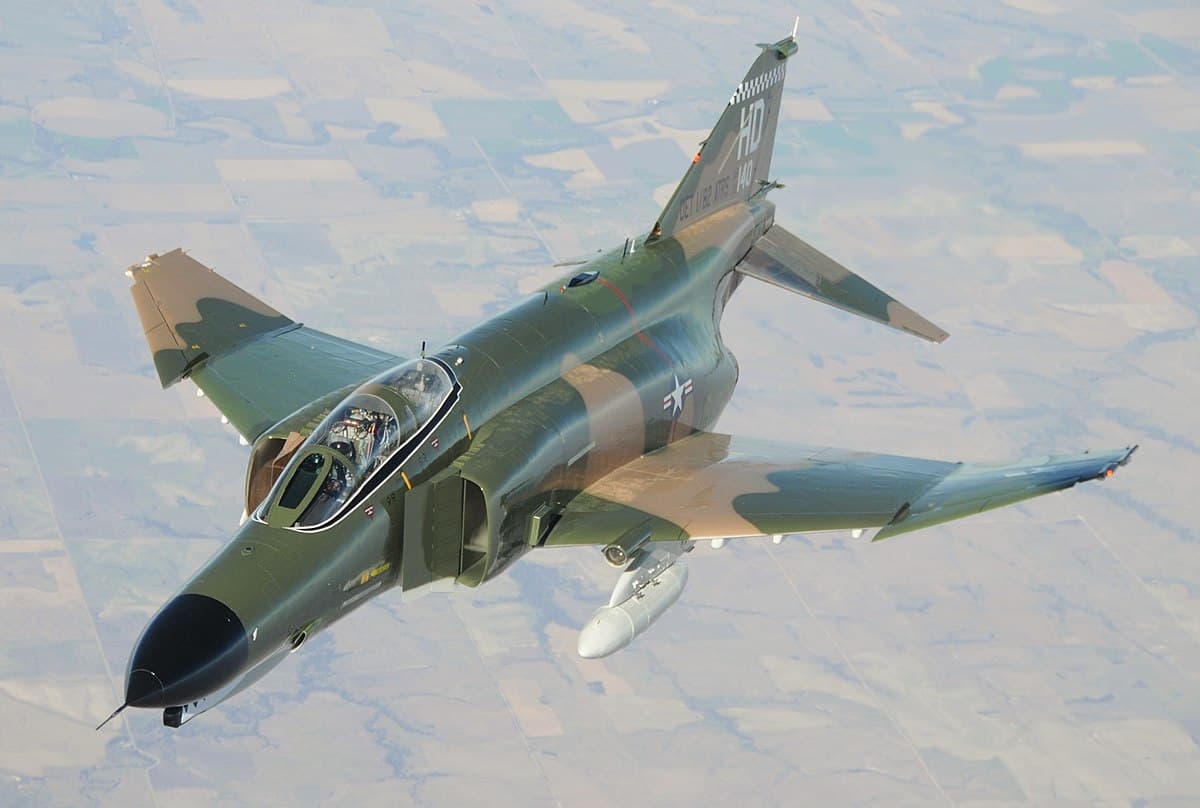
F-4 Phantom II
Curtiss P-40 Warhawk
Kittyhawk, Tomahawk, and Model 81 are just a few of the nicknames for this plane. If nothing else, the P-40 Warhawk was a vital part of World War II. In the war, it was one of the most frequently used American weapons. As a result of performance issues and difficulties, it has undergone numerous revisions over the years. You can’t argue with the fact that despite all of this, it isn’t considered a “top fighter.” Among aviation enthusiasts worldwide, it is a well-known symbol of excellence. For $1.775 million, Courtesy Aircraft Sales is offering a restored plane for sale. Although it’s a lot of money, the model’s rarity makes it worthwhile.
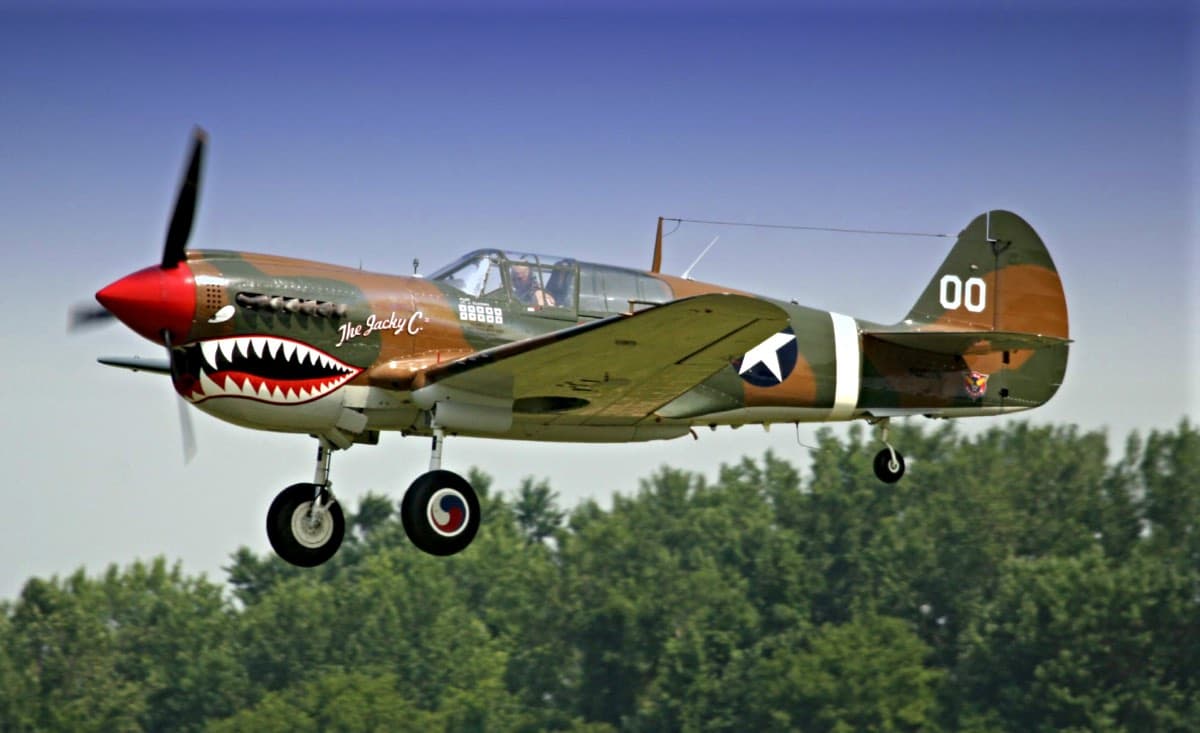
Curtiss P-40 Warhawk
B-29 Superfortress
According to current standards, the B-29 Superfortress is a massive plane. As early as the 1940s, Boeing developed this bomber plane model, which featured high-tech features that elevated the bomber plane. Other features included pressurized crew quarters and remote-controlled weapons. It was also known as the world’s heaviest manufacturing plane!! This was yet another crucial aircraft in World War II. In-flight refueling and surveillance missions were among the many duties performed by the B-29. As a result of its long history, we’re not surprised that it’s so popular. Only one unit, dubbed “Fifi,” was still flying as of July 2016. When “Doc” took to the air for the first time on July 17, 2016, all of that changed. The two planes in question are privately owned, but there is interest in restoring more of the type.
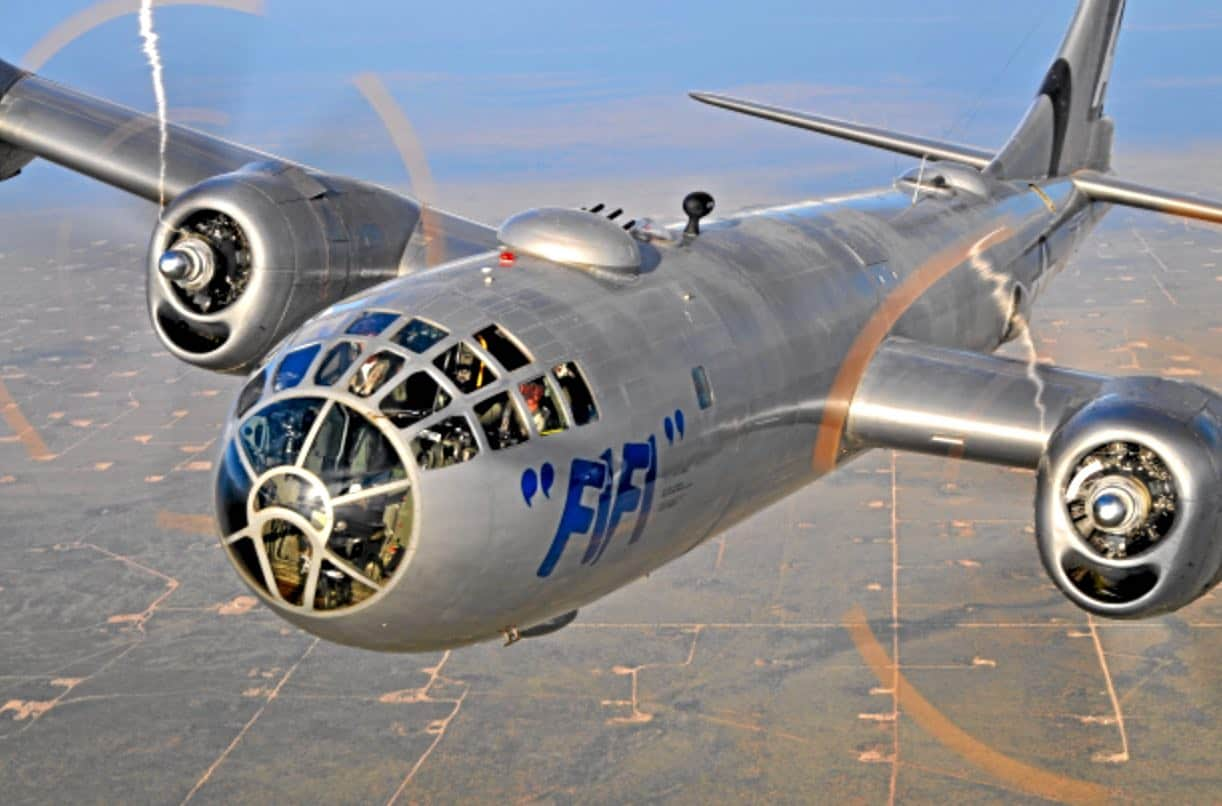
B-29 Superfortress
Northrop F-5
We’ve got a few models of a light supersonic jet fighter on hand. Northrop’s F-5, which first flew in 1962, is well-known for its low-maintenance design and high performance in the air and on the ground. Furthermore, it was widely distributed and played an important role in the Allied armed forces during World War II. It’s still used as a training aircraft in the United States! Top speed is nearly 1,000 mph for this supersonic jet fighter. Consequently, it is one of the fastest military planes available to the general public right now. Talon T-38 training planes are a good option if you want to fly one of these. The same company that made the F5 also made this one.
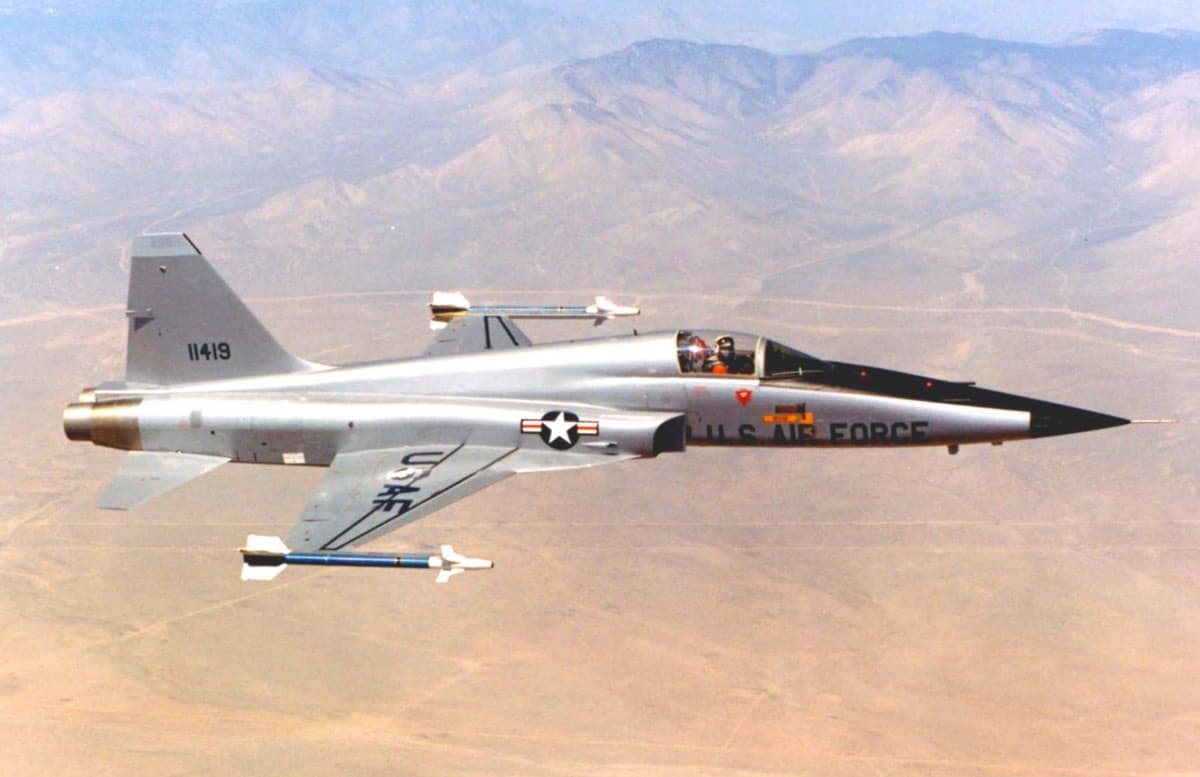
Northrop F-5
Bell UH-1 Huey
Helicopters like the Bell UH-1 Huey are widely used in military operations around the world. Currently, it is used in 40 countries. The fact that we don’t know you does not make it any less exciting to us! It was first used in the Vietnam War. It was used in a wide range of operations in the past. Employees and students alike were transported in some variants, which were designated as medical evacuation vehicles. One to four people can be transported in the vehicle, which reaches speeds of 125 mph. As a symbol of the Vietnam War, this plane can be purchased for around $500,000. Compared to the $25 million price tag of a newer model, this one is a significant cost saver. As far as we can tell, it’s a fantastic deal.
Bell UH-1 Huey
Lockheed T-33 T-Bird
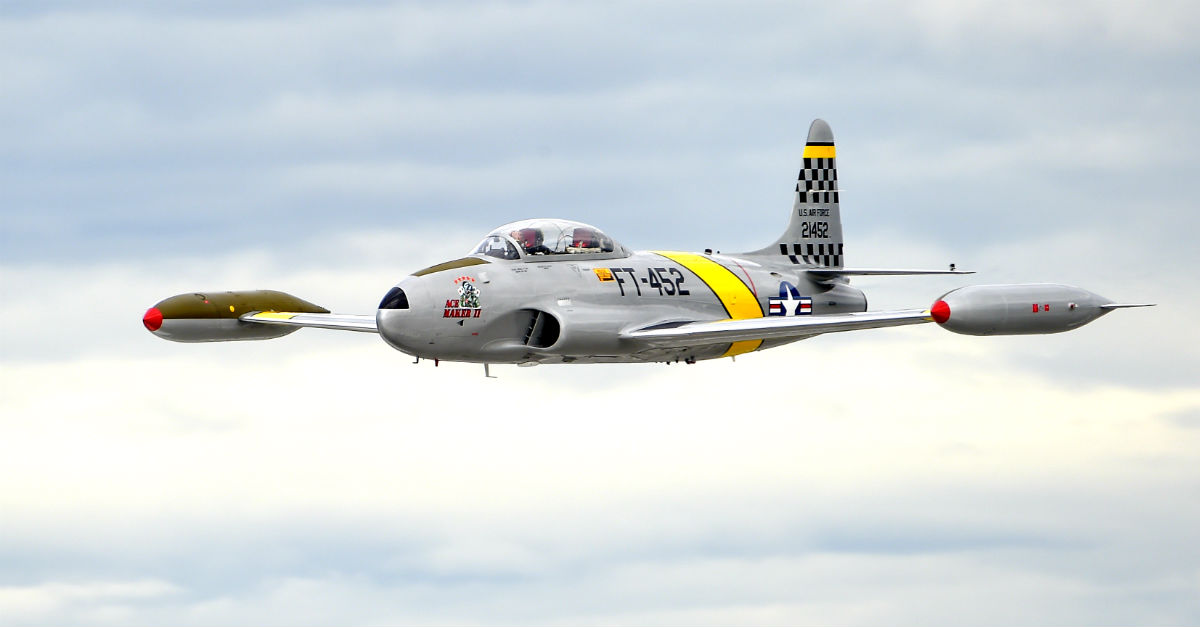
There were a slew of improvements in the US Air Force after the introduction of the Lockheed P-80 Shooting Star. A major difference between the new planes and the ones that had come before them was that they didn’t have propellers and were able to do things differently. There was no benefit to using propeller-driven trainers to prepare for the P-8-s. The P-80’s fuselage was extended and a second tandem seat was installed by the military. A turbojet engine for the T-33 Shooting Star was created in this way: the Allison J33-A-35 It was the US Air Forces’ first jet fighter training aircraft! While fewer than a thousand P-80s were built, more than 7,000 T-Birds were sold around the world, making it a better fit for the military. Despite the fact that only a few hundred of them have been sold to civilians, the military still uses them.
Lockheed T-33 T-Bird
Douglass A-4 Skyhawk
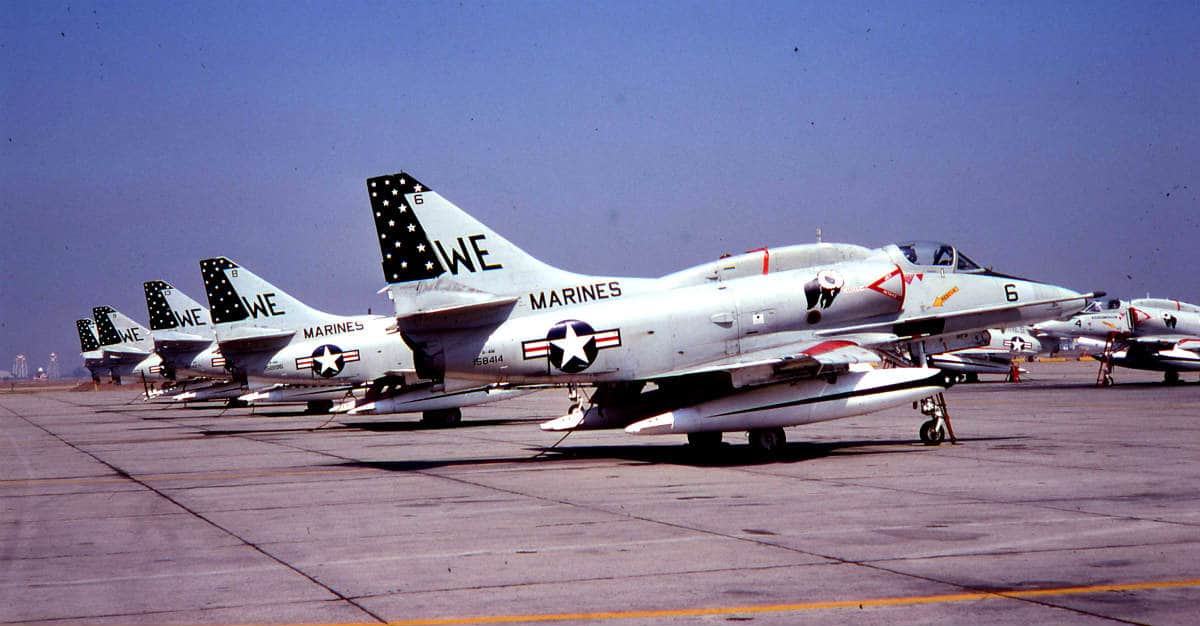
In the US Navy, the Douglas A-4 Skyhawk was designed to replace the A-1 Skyraider. Ed Heinemann, the company’s chief design engineer, came up with the concept. In order to save time and money, he built a small aircraft that was both effective and easy to fly. Engine, fuel, and avionics are all in the fuselage. The engine is located in the middle. It was dubbed “Heinemann’s Hot Road” by the Navy after the Korean War and put to use. Later, it was adopted by the Marines. Two or more A-4 Skyhawk squadrons were in service when the Vietnam War began. Additionally, the A-4 was the first air-to-air refueling system to be used in a “buddy” configuration. Other countries have stopped using it, but you can still buy one.
Douglass A-4 Skyhawk
Mikoyan-Gurevich MiG 21
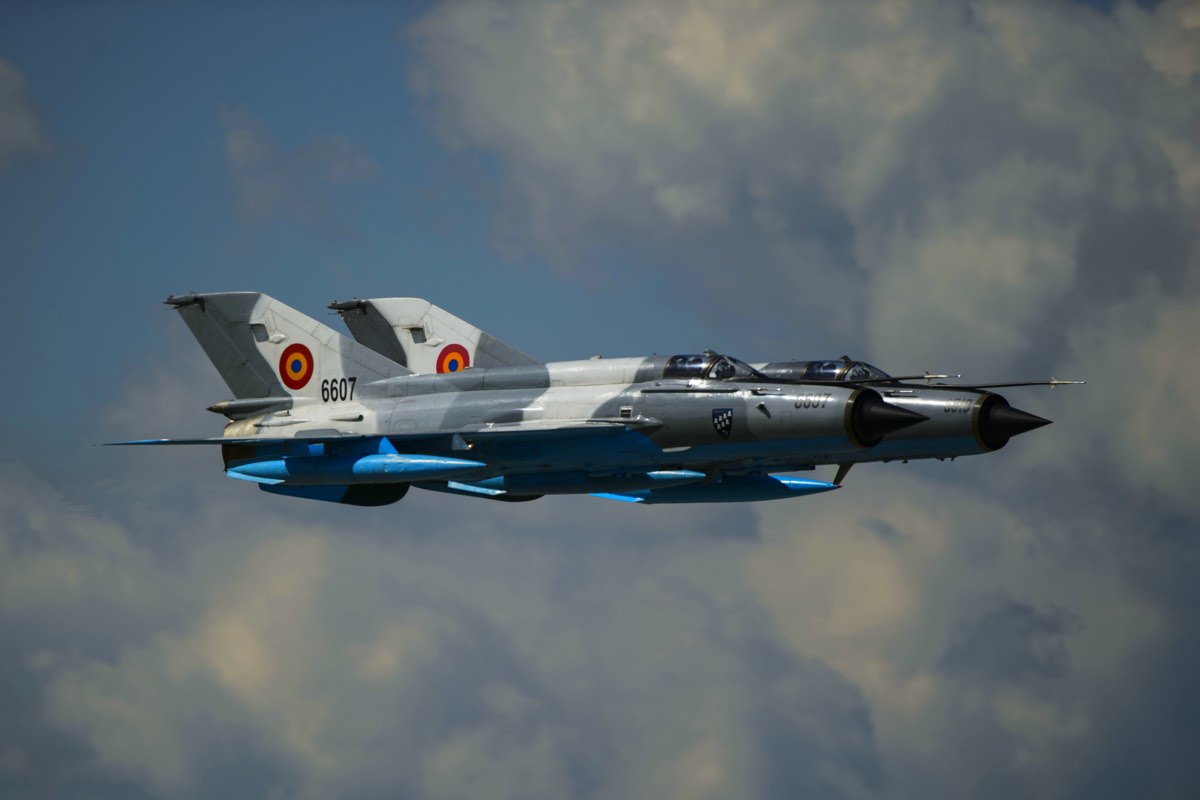
When the Mikoyan-Gurevich MiG 21 first flew in 1959, it quickly became the standard issue aircraft in many air forces around the world. The primary users of this system were the armed forces of India, Libya, and the Soviet Union. With this plane, the Soviets were able to fly a plane that could perform both combat and interception missions. Many world records were set by it, including the most supersonic aircraft ever built. This military aircraft, which is still in service in other countries, can be purchased for private use. The Soviet Union and its allies are estimated to have produced 10,000 units over the last four decades. It is estimated that 44 MiG 21s are currently on the market in America. Three of them are being sold by Premier Space Systems in Portland for around $150,000 each.
Mikoyan-Gurevich MiG 21
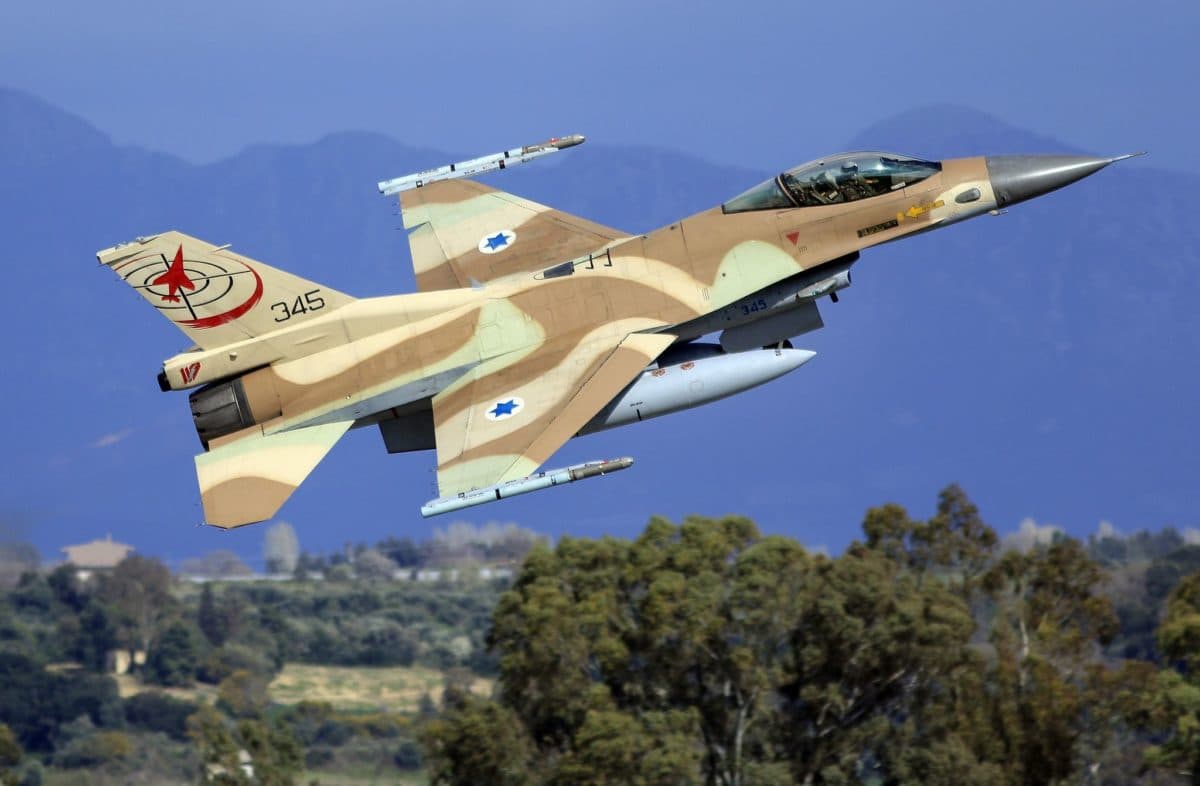
General Dynamics F-16 Fighting Falcon
You were on the right track. An F-16 Fighting Falcon from General Dynamics can be purchased at a Florida auction for more than $8 million. Check out the fine print, because you’ll have to sign some very restrictive contracts. In addition, it will cost you $8.5 million to bring this home.
General Dynamics F-16 Fighting Falcon
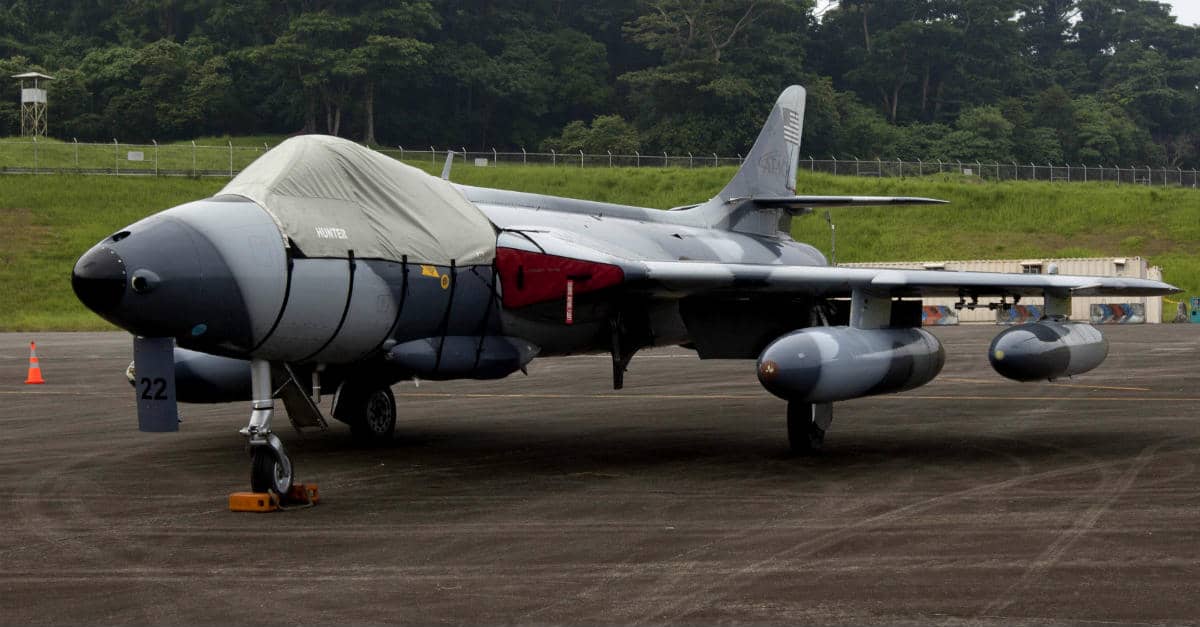
Hawker Hunter
The MK-58 Hawker Hunter was commissioned as a fighter jet by the Royal Air Force of the United Kingdom in the late 1940s and early 1950s. It was eventually utilized as a fighter-bomber and for information gathering. It was produced in single and double pilot versions. This was widely exported and has been used by militaries all over the world. It was officially retired in 2014 and is now classified as a “warbird,” with a top speed of just under 700 mph and a reputation as one of the greatest early fighters. We’re confident that military aviation fans will want a copy for their own usage. They aren’t all that uncommon, so if you have enough money, you can probably do it. Although the military still employs some of them for threat simulation and target training, many of them are in the hands of groups that perform aerial demonstrations.
Hawker Hunter
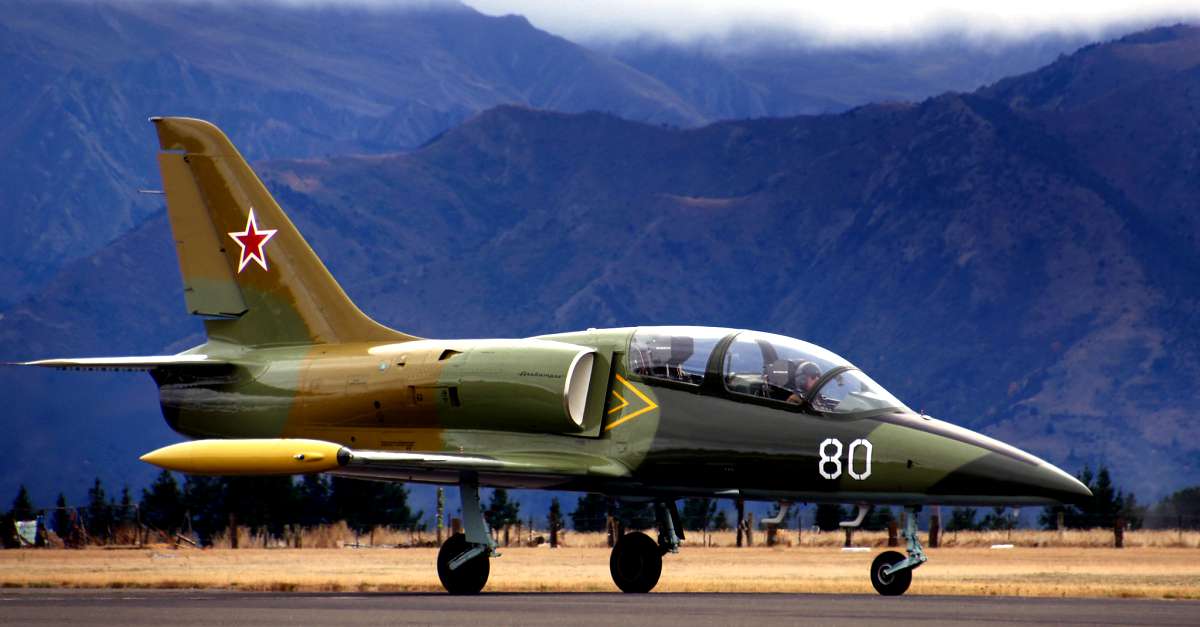
Aeo L-39 Albatross
The L-39 Albatross is the first thing that springs to mind for some people when they hear the word “warbird.” It was created in Czechoslovakia by Aero Vedochody as a training aircraft. This was the Second Generation’s first jet trainer. It’s easy to see why this is so popular among civilian and military aviation fans. If you have deep enough cash, it merely makes sense to acquire it because of its elegant design and smooth performance. It has a 40-foot wingspan and a 31-foot wingspan, produces 3800 pounds of thrust, has a range of almost 650 miles, and is powered by an Ivchenko-Progress AI-25TL high-bypass turbofan engine. This aircraft can fly for two and a half hours on internal fuel, which is extremely astounding. If you have $150,000 to spare, you can get one.
Aeo L-39 Albatross
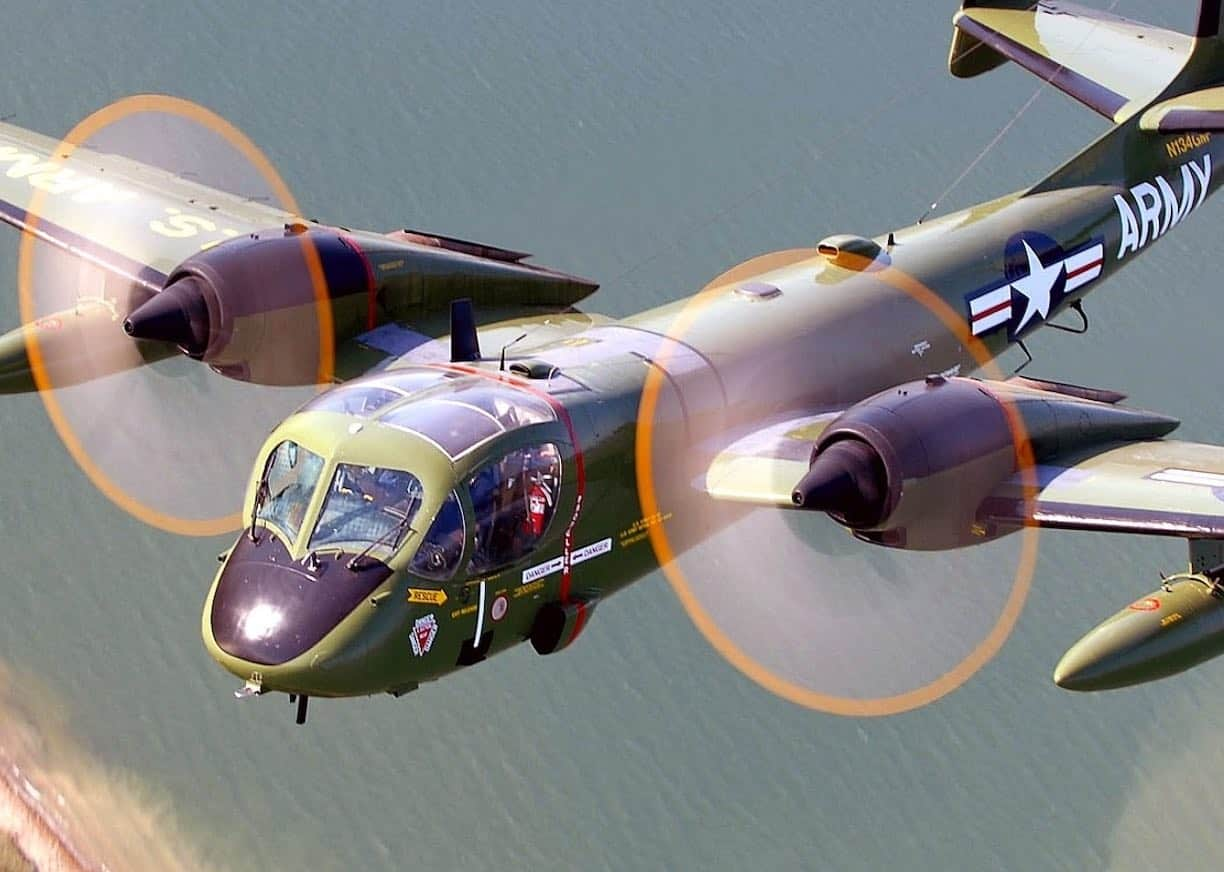
Grumman OV-1 Mohawk
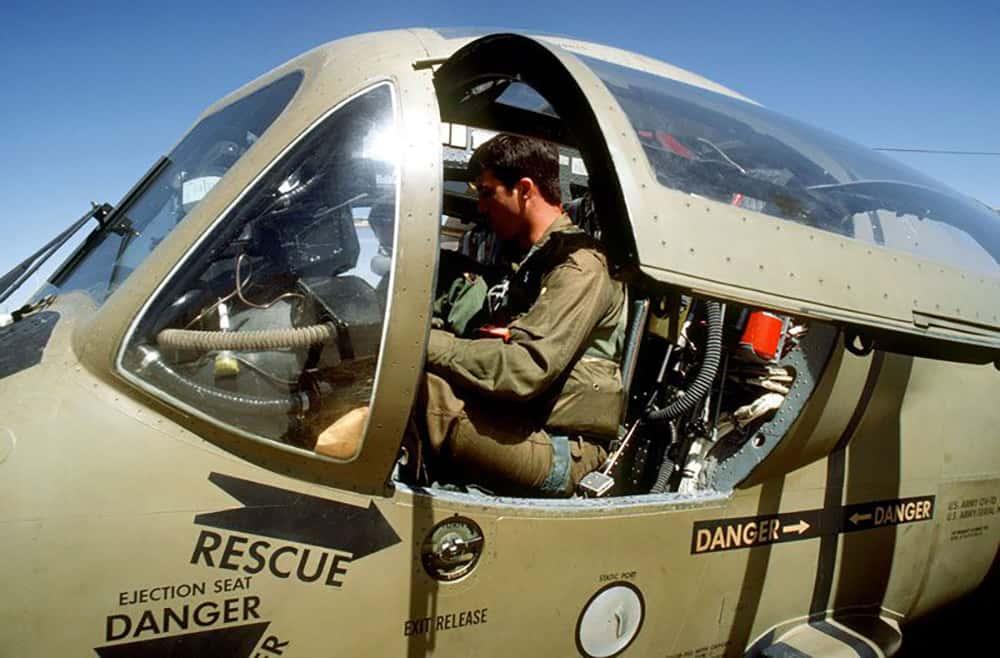
The Grumman OV-1 was designed to replace the Cessna L-19 Bird Dog in the 1950s. The US Army utilized it as an all-weather surveillance and attack plane that could outrun the Bird Dog and provide greater power. Grumman Aircraft Corporation won an award for the OV-1 Mohawk concept! After all, it turned out to be unlike anything else that had ever been created. The Mohawk was the first turboprop aircraft used by the United States Army. In a variety of military roles, it was a success. It was protected against small ground weaponry by bullet-proof glass and an aluminum-alloy floor, while its mounted engines and big finned tails gave it remarkable maneuverability. At least one model has an improved side-looking radar and an inbuilt camera. This allowed it to scan the ground and provide tracking, which was cutting-edge at the time.
Grumman OV-1 Mohawk
Hawker Siddeley Harrier GR.3
Hawker Siddeley created the Hawker Siddeley Harrier for the Royal Air Force in the 1960s. It was based on the vertical/short take-off and landing concept, which had already been attempted multiple times. However, this was the first one to succeed. The GR.1 and GR.3 models were ordered by the RAF. In the 1970s, a slightly modified variant known as the AV-8A was also delivered to the US Marine Corps. The GR.3 was a single-seat, single-engine jet with a wingspan of 25 feet and a length of 46 feet. It was powered by a Rolls-Royce Pegasus 103 turbofan. The tail, nose, and wingtips all had four vertical flight puffer jets. It didn’t require large runways or ground infrastructure because of its V/STOL capability, as did all other aircraft at the period. During the Falklands War, it played a big and crucial role.
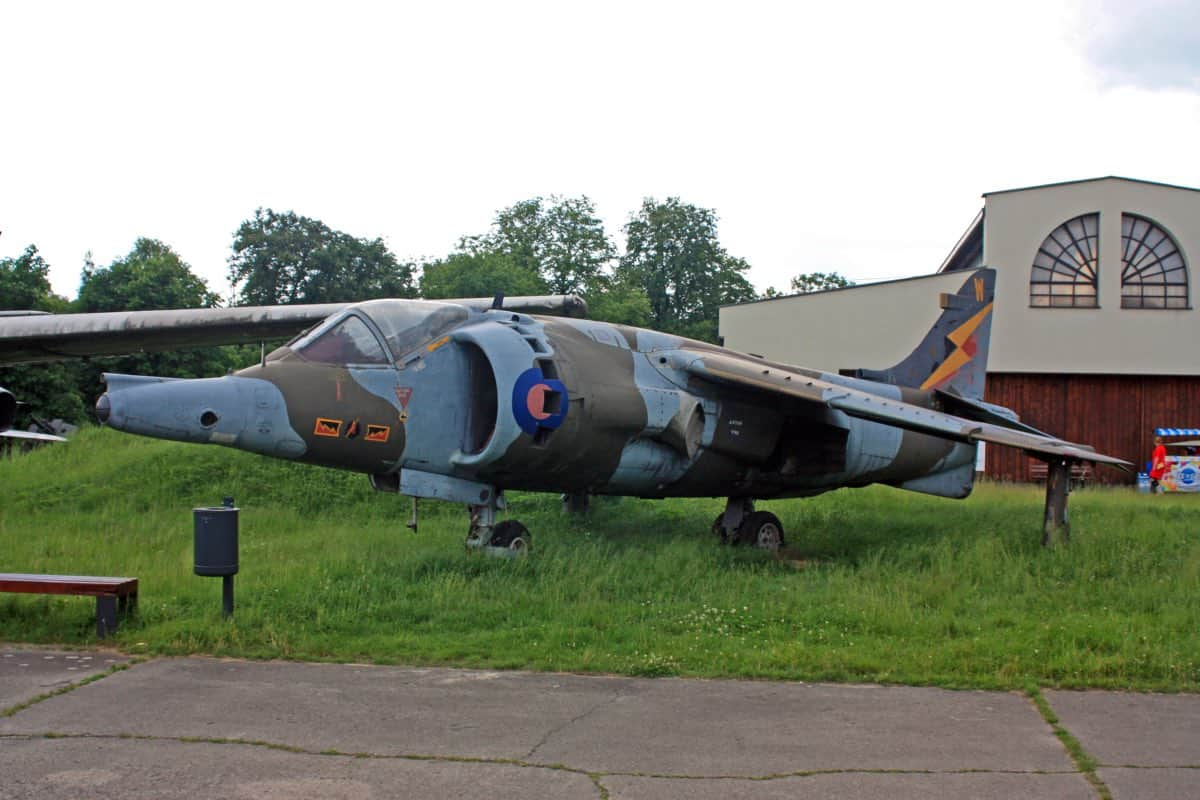
Hawker Sidldeley Harrier GR.3
Boeing F/A-18 Hornet
Don Kirlin, a real estate agent and pilot from Illinois, purchased multiple squadrons of obsolete Boeing F/A-18 Hornets from the Royal Australian Air Force. In the United States, this variant was employed for contractor enemy air support. The value of each unit is estimated to be $5 million.
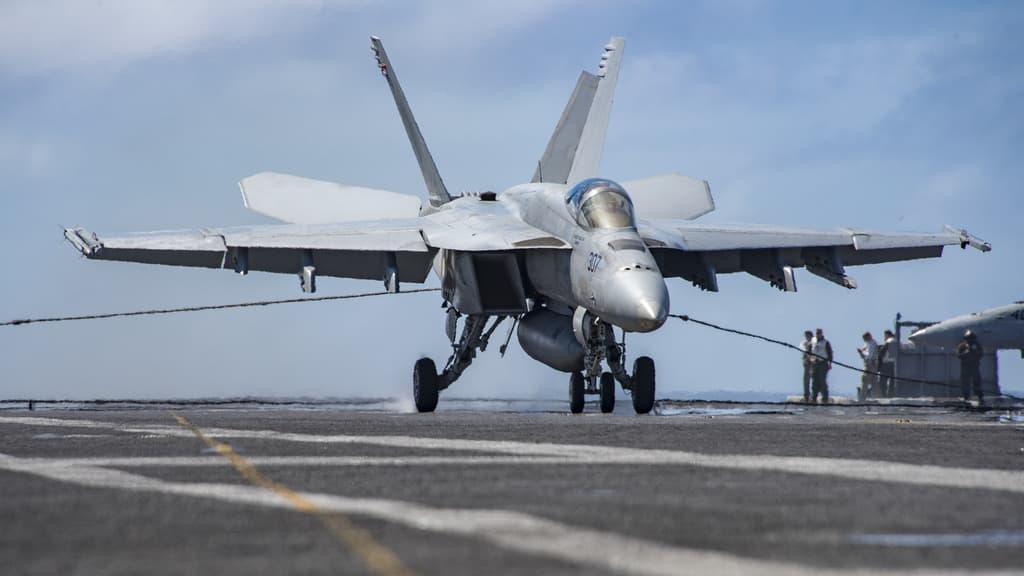
Boeing F/A-18 Hornet
Sukhoi Su-27
The Sukhoi Su-27 became available to people in the last decade or so. The Soviets built the military aircraft with the aim of competing with the F-14s and F-15s of the Fourth Generation. It’s a thrilling airplane to fly because of its incredible numbers. Supermaneuverability, twin engines, and a top speed of Mach 1.8 are all features of this craft. When you get your hands on this bad boy, you’re in for a wild journey! With a length of more than 10 feet and a breadth of more than 5 feet, it dwarfs the F-15. It featured ten weapon hardpoints as well as shielded radar technology, but they were deleted before it was released to the public. Because the fuel must be carried within the plane, the stripped version is the quickest and lightest option. If you want one, you can get one for $5 million.
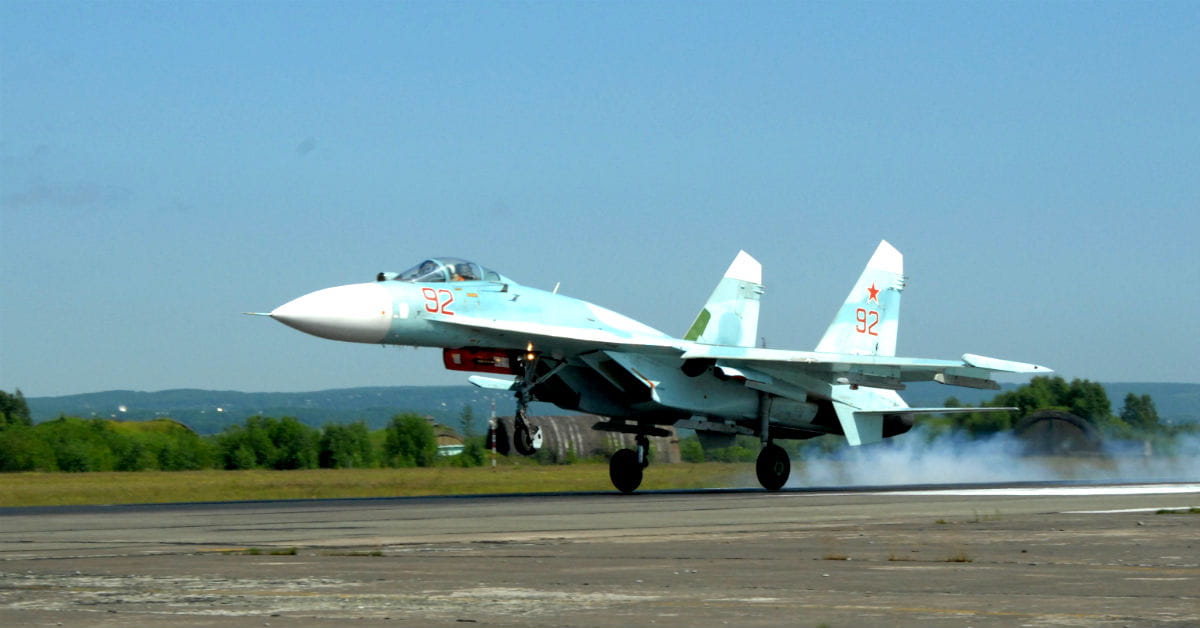
Sukhoi Su-27
Migoyan-Gurevich MiG-29
In order to compete with the American F-16, the Soviet Union built the Mikoyan-Gurevich MiG-29. It’s a large fighter plane that’s 57 feet long and has a wingspan of 37 feet, and it was built in the 1970s. This aircraft is powered by two turbofan engines and has a top speed of Mach 2.25. Even though it was designed for air-to-air combat, it was a flexible plane. It was also beneficial for precision targeting and air-to-surface communication. The former members of the Soviet Union had an excess of it following the disintegration of the Soviet Union. They went on to sell these units in more than 30 countries, with India topping the list as the largest exporter. The US also purchased a small fleet of these planes to further investigate their potential.
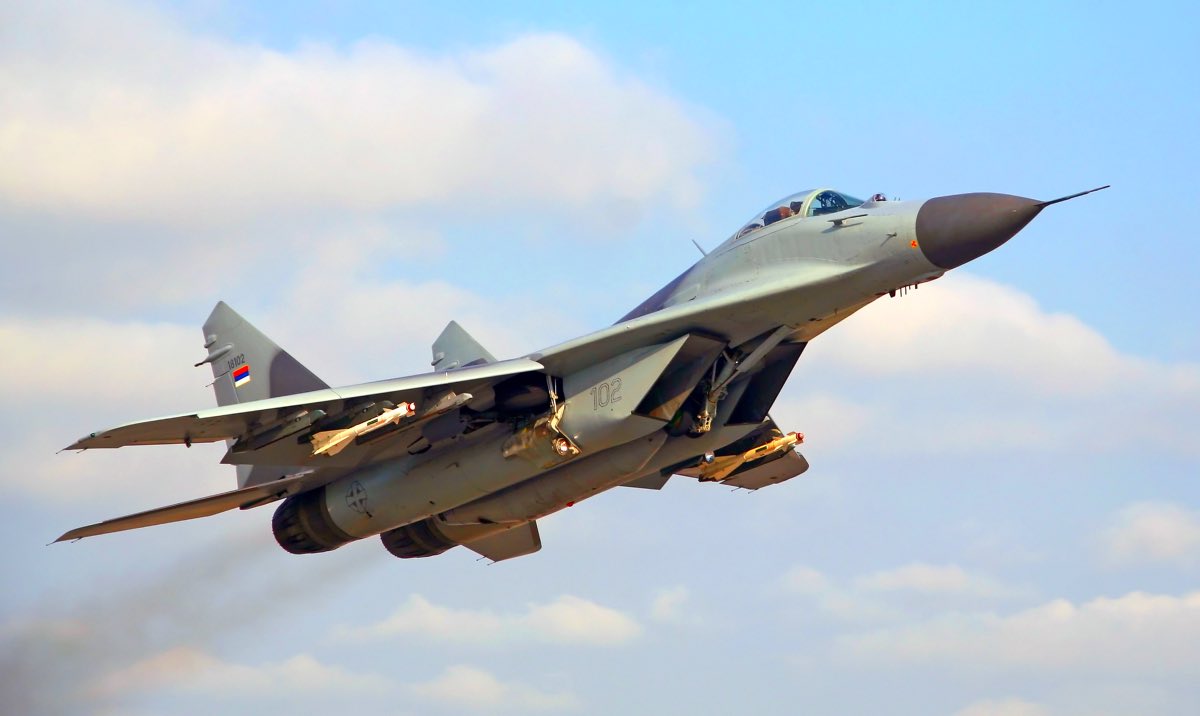
Migoyan-Gurevich MiG-29
Grumman F9F Panther
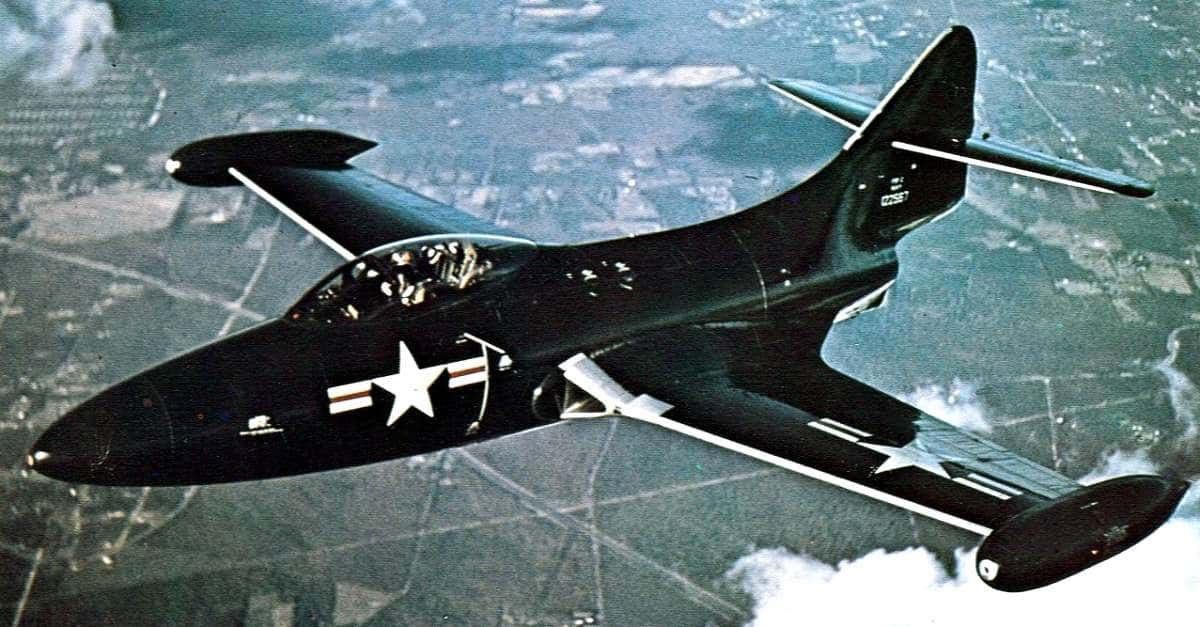
Grumman was the first company to design a jet fighter! The F9F Panther was a single-engine, straight-winged day fighter that demonstrated its effectiveness. It could also transport a large number of air-to-ground weapons. This was one of the US Navy’s first successful carrier-based jet fighters. During the Korean War, the aircraft saw a lot of action, performing about half of the Navy and Marine Corps’ attack sorties. The Panther has a long list of firsts to its credit. For one thing, it was the US Navy’s first air-to-air kill in Korea. The Blue Angels’ first military aircraft was likewise this one. During the middle of the 1950s, the F9Fs were mostly removed from front-line service, however, some were preserved in the United States for training during the next few years.
Grumman F9F Panther
Douglass DC-3
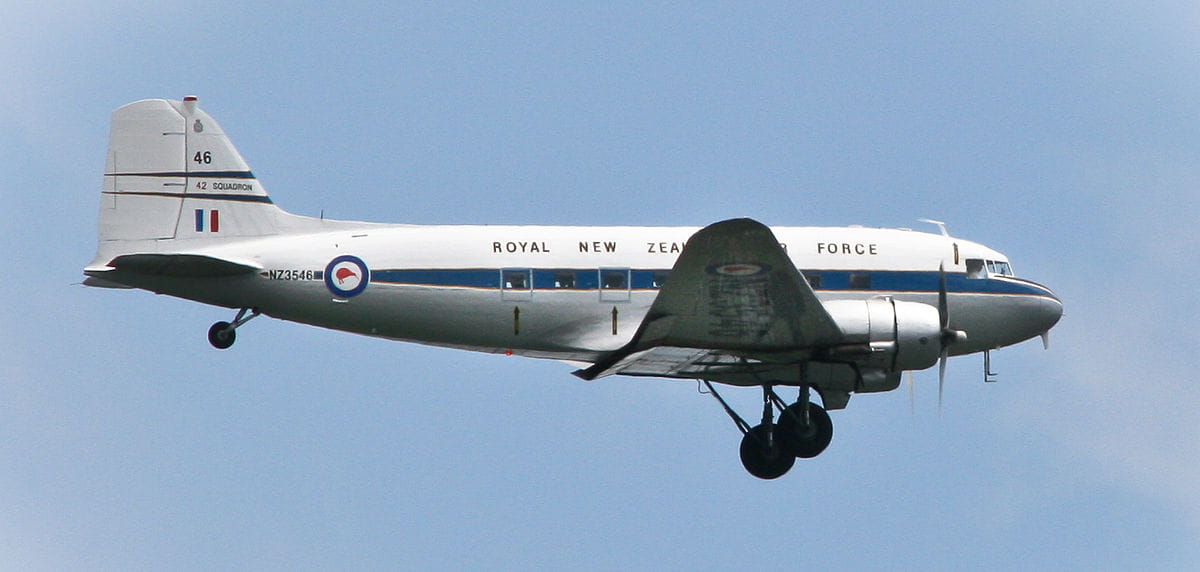
In retrospect, the DC-3 can be considered one of the first planes to alter the game. This is a cargo or transport plane that went above and beyond the call of duty. It has the capacity to transport 6,000 pounds of cargo or 21 to 32 passengers. It also has a 1,500-mile range, which seemed unachievable before it was achieved. Its manufacture ended in 1942, yet there are still hundreds of them flying around. Douglas manufactured high-quality machinery, as seen by its longevity. The DC-3 was eventually downsized for military usage and converted into a special transport plane. The Secretary of War frequently employed the C-41 version. During recent auctions, a unit sold for around $250,000.
Douglass DC-3
Folland Gnat
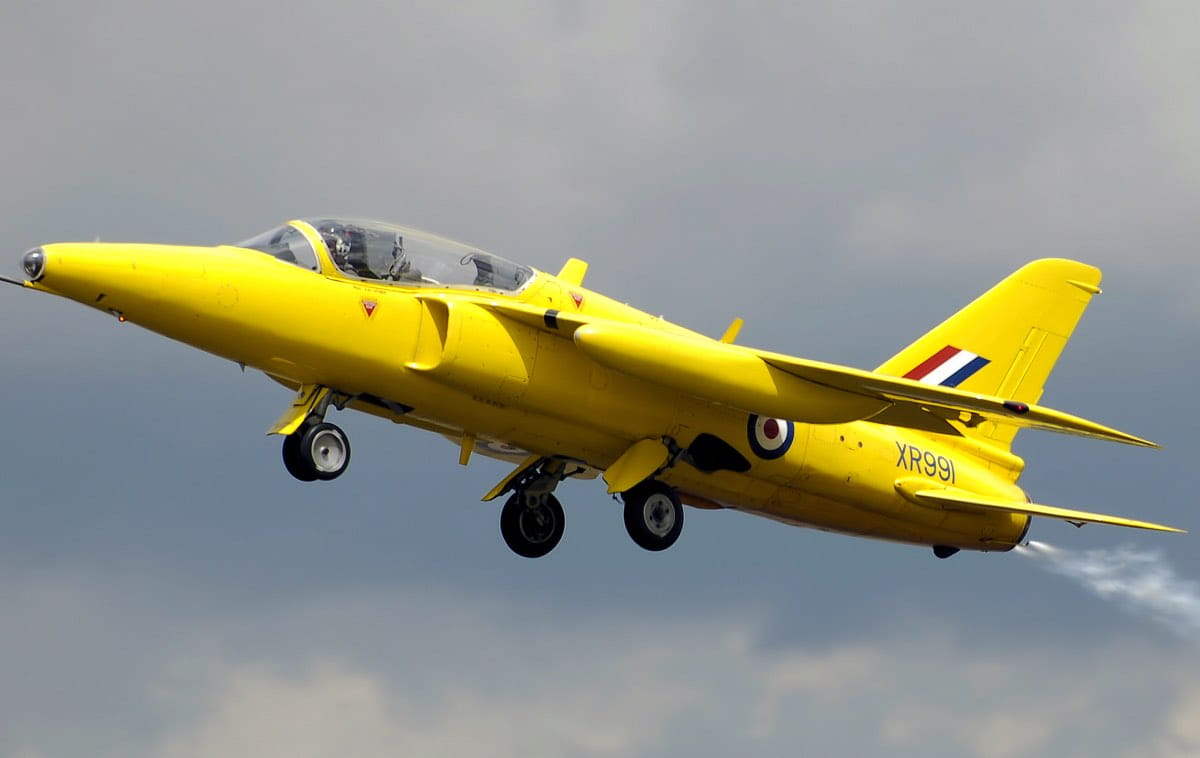
Another small but powerful fighter plane was created by the British in the 1950s. The Folland Gnat, often known as the “Pocket Fighter,” put in a strong showing and sealed its place in the annals of several nations’ air forces. It has a top speed of 10,000 feet per minute and can roll at more than 360 degrees per second. In those days, this was an extremely agile and maneuverable plane. After placing an order for six test planes, the British utilized it for advanced training. In India, Finland, and Yugoslavia, the Gnat was also deployed as a fighter. When India and Pakistan went to war, it was a major factor. It set the record for being the first plane to break the sound barrier in Finland. They’ve since been retired, but this warbird is still for sale if you have $200,000 to spare.
Folland Gnat
Saab 35 Draken
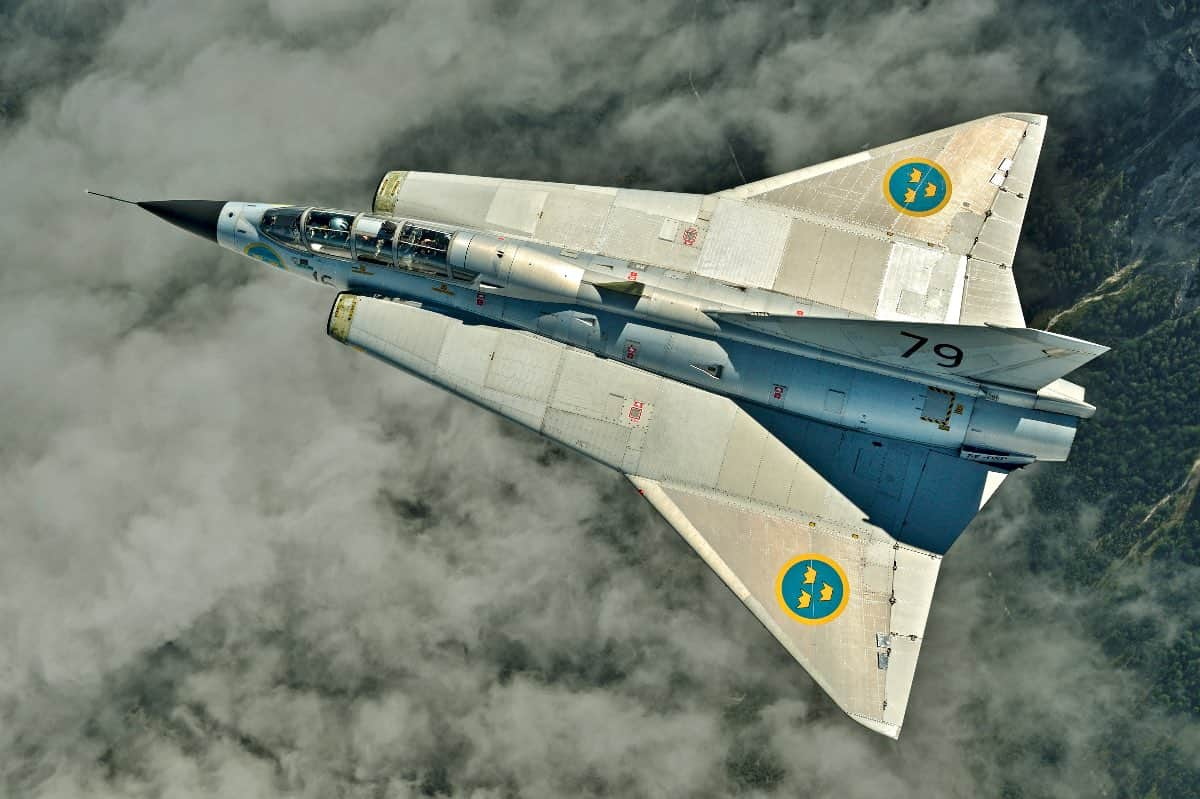
This is a fantastic jet fighter that can keep up with aerial bombers and fight off adversaries when necessary. Saab was a Swedish automobile manufacturer best known for developing the 35 Draken. The jet’s unusual design made it suitable for both low- and high-speed operations. It was designed for short takeoffs and landings by the Swedish Defense Material Administration, which explains its unusual double delta shape. On that note, Saab delivered admirably. The 35 Draken was Western Europe’s first supersonic fighter. The Austrian Air Force still employs it, despite Sweden’s decision to retire it after nearly four decades of service. NASA and several other government entities in the United States utilized it as a testing aircraft. As a private owner, you can purchase this. The plane has also been used in Miller beer advertising!
Saab 35 Draken
Panavia Tornado
In the 1970s, the United Kingdom, Italy, and West Germany collaborated on this fighter jet. The Panavia Tornado was designed to perform a variety of combat tasks and became a standard in several European military. In this day and age, it is still a part of some of them. The air defense, interdictor/strike, and electronic warfare/reconnaissance versions were the three primary variations. It can reach Mach 2.2 speeds while flying high in the sky. The maximum speed at sea level, on the other hand, is 900 miles per hour. Because of its variable-sweep wings, it is recognized for its mobility. The cockpit is also quiet and large, which pilots appreciate. These characteristics have made it the ideal military plane.
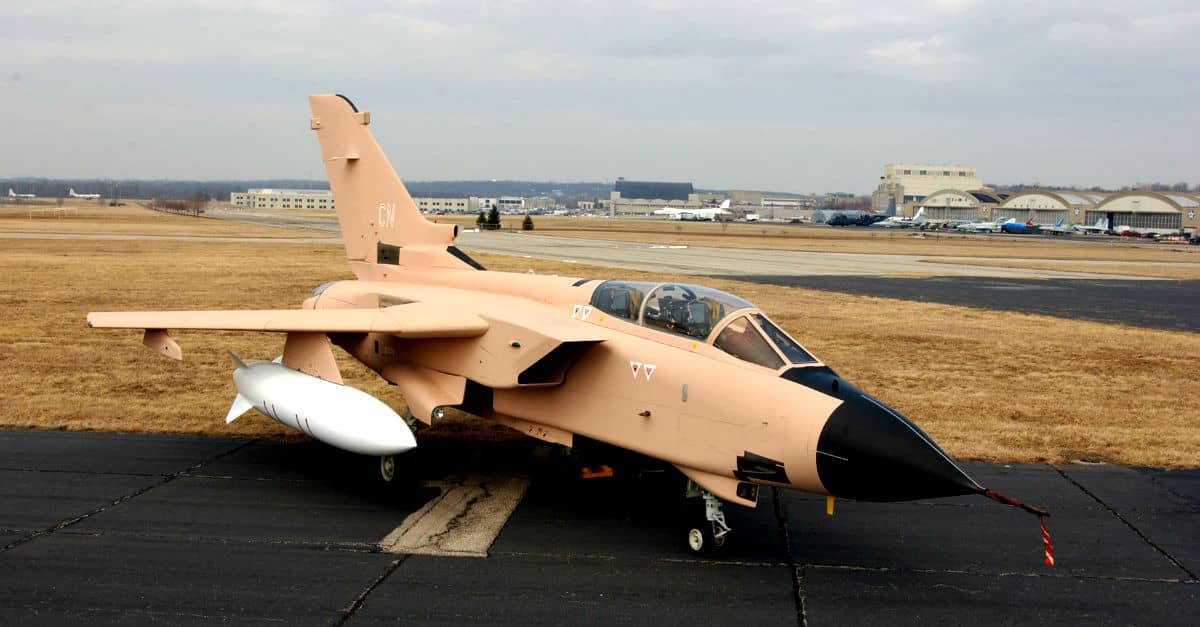
Panavia Tornado
Dassault Alpha Jet
Did you know that the Dassault/Dornier Alpha was developed in partnership between Germany and France? They each had their own motivations for doing so. It was intended for service as a training aircraft by France, while light assault missions were planned by Germany. The French version was known as Alpha Jet E, whereas the German version was known as Alpha Jet A. The French had been ecstatic with its performance, while some commanders thought it was almost too forgiving in its handling. It made transitioning to other planes more difficult. German Alpha Jets, on the other hand, began to be phased out in the 1990s. They sold a large number of the planes to private owners and other forces. Four of them were purchased by the Flying Bulls, who utilize them in air displays.
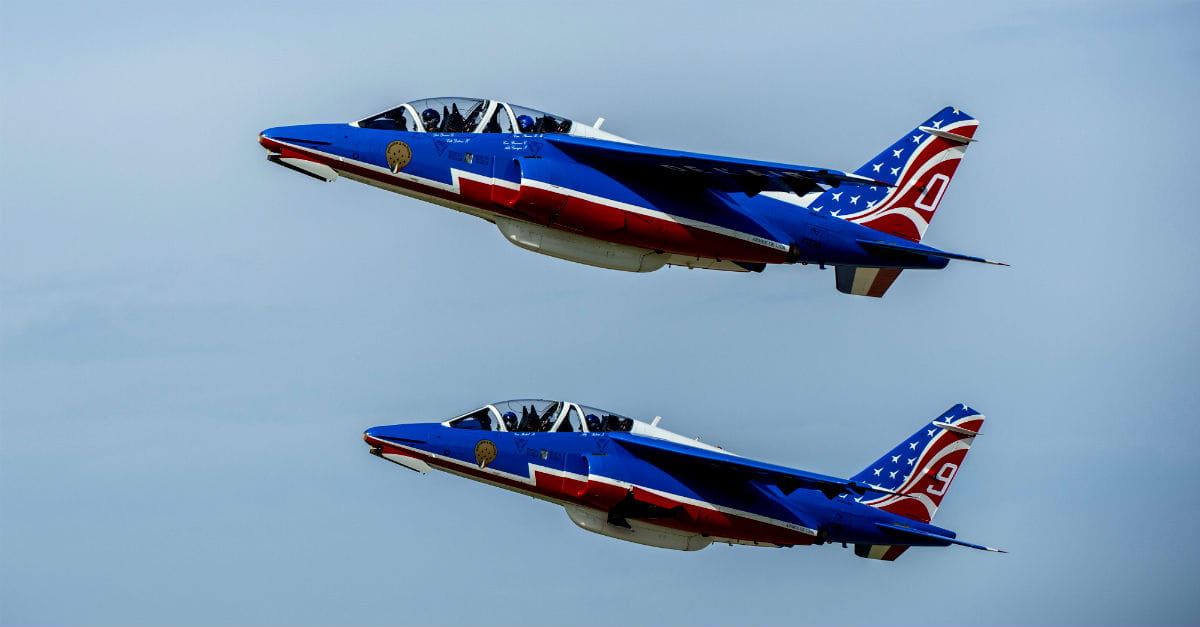
Dassault Alpha Jet
Vought F4U Corsair
It depends on the unit, but Chance, Goodyear, and Vought designed the Corsair. The first ones were drafted into the US Navy in 1942. During World War II, they are credited with revolutionizing the game in the Pacific theater. When it came to air-to-air combat against Japanese Zero planes, the model was famous. The United States produced more than 12,000 fighter planes. According to estimates, there are just about 50 units left in the country. Goodyear, on the other hand, only built the F4U Corsair on rare occasions. A $4.1 million FG-1D Corsair was recently listed for sale.
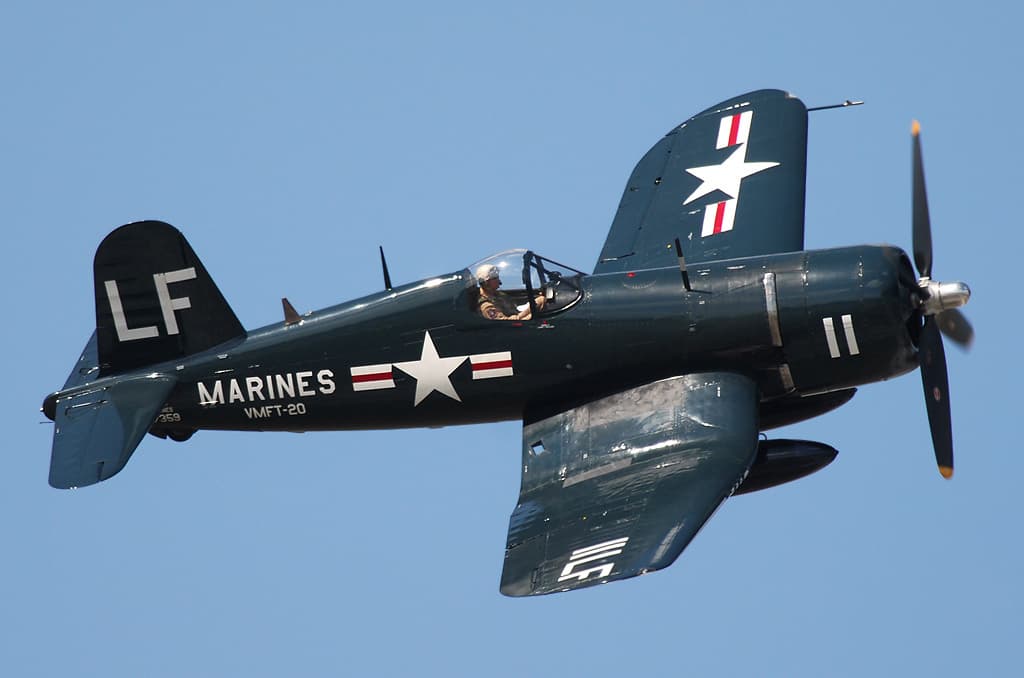
Vought F4U Corsair
Hawker Sea Fury
The Hawker Sea Fury was the Naval Navy’s final propeller fighter aircraft. Even though it was designed for the Second World War, it saw considerable action during the Korean War. The plane arrived late to the celebration, but it proved useful during the 1961 invasion of the Bay of Pigs. It was operated by the Burmese Air Force from 1947 to 1968. It was previously used by other countries. Australia, Canada, Pakistan, and the United Kingdom are among the countries on the list. A fully restored unit of the model nicknamed the “fastest Sea Fury ever” recently went on the market for $750,000.
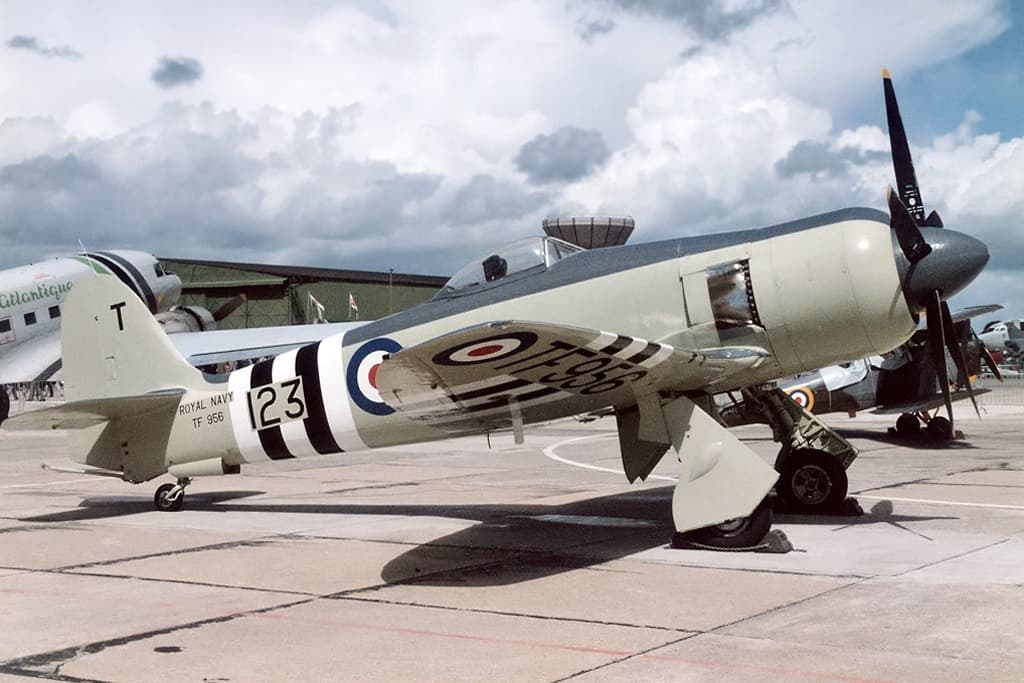
Hawker Sea Fury
Hispano M4L Buchon
Do you know what the Hispano M4L Buchon is? If not, let us explain that its design was inspired by Messerschmitt’s legendary Bf-109 fighter G-variant. Many people consider this to be the Bf-109 family’s ultimate post-war evolution variation. In the Spanish Air Force, it was mostly utilized as a fighter aircraft. When it was no longer in service, it was utilized in scenes from the Hollywood film The Battle of Britain. The Buchon took to the air for the first time in 1952. Following a bungled agreement with Germany, Spain had to cope with a couple of non-operational units. In any case, this was the country’s best attempt to make the best of a bad situation. It remained with the Spanish Air Force until 1965. We’ve seen a Buchon on the market, but we don’t know what it’s worth at the moment.
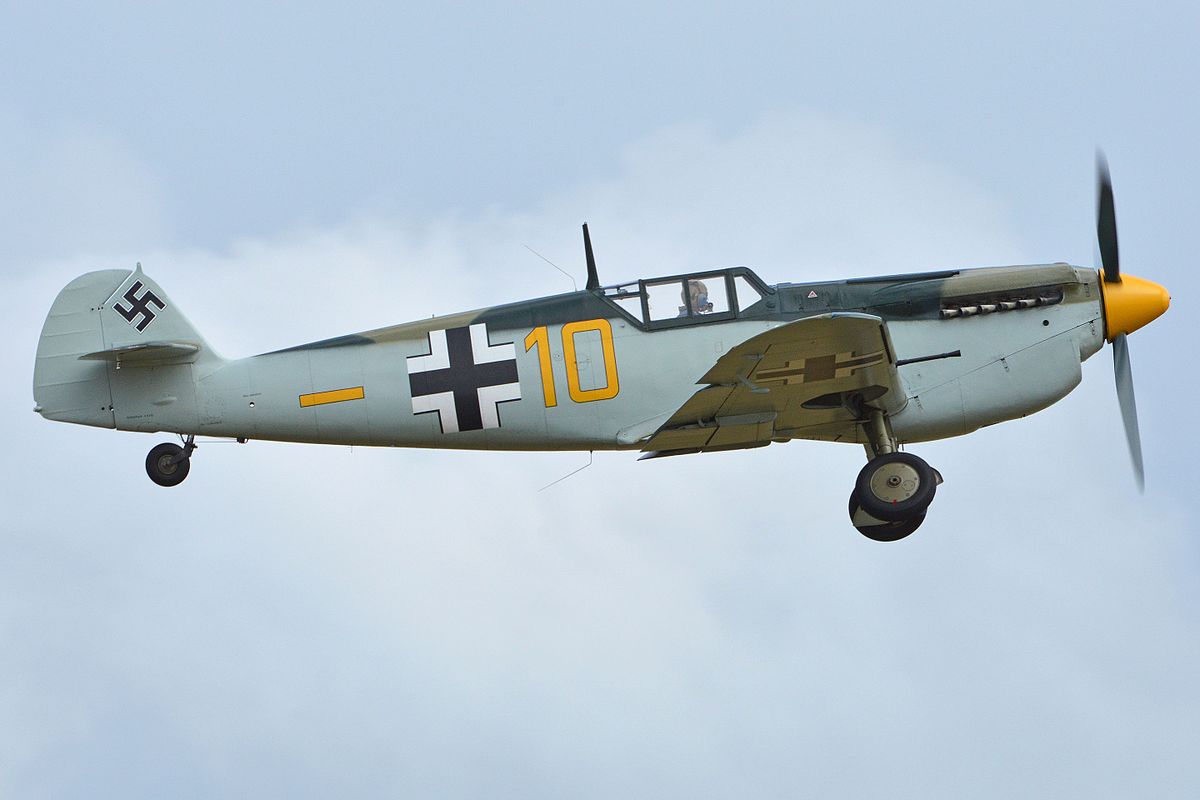
Hispano M4L Buchon
Messerschmidt ME-262
The Luftwaffe utilized the Me-262 Schwalbe and the Sturmvogel in 1941. The fighter variant was the first, while the fighter-bomber variant was the second. When the war ended in 1945, it was decommissioned. This plane was one of the first in the fight to have jet engines, making it a significant threat. Captured units were utilized as test subjects by Americans after the war. The Me-262 provided a lot of technology to the F-86 Sabre. There aren’t many of them left, and the ones that are left contain a mix of original and reconditioned characteristics. One of them just sold for around $600,000.
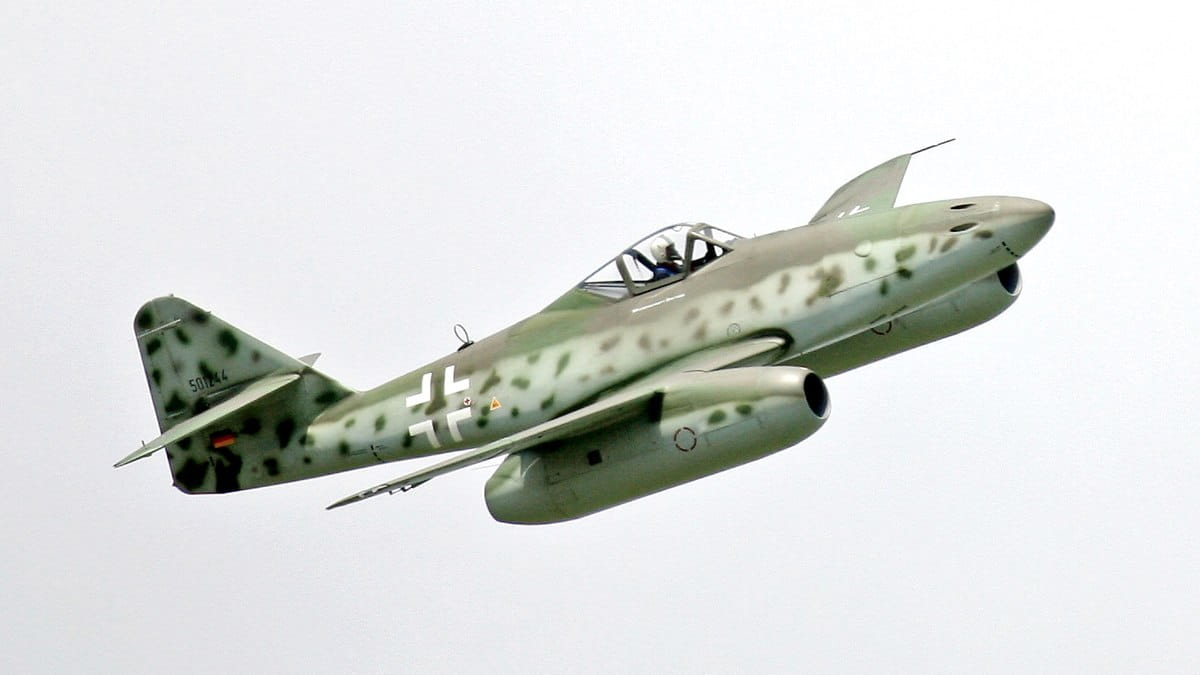
Messerschmidt ME-262
P-38 Lightning
You may already be familiar with the F-35 Lightning II if you consider yourself an aviation aficionado, but we doubt you know much about the Lightning I. During World War II, the P-38 was utilized as a piston-engine fighter, but it turned out to be much more. Interception, ground attack, dive-bombing, photo-reconnaissance, night warfare, level bombing, radar pathfinding, and long-range escort were all applications for it. Various countries around the world used this aircraft, including the United Kingdom, the United States, China, Australia, France, Portugal, and Italy. As a civilian, you can also purchase one. However, we sincerely hope you have $650,000 on hand for this.
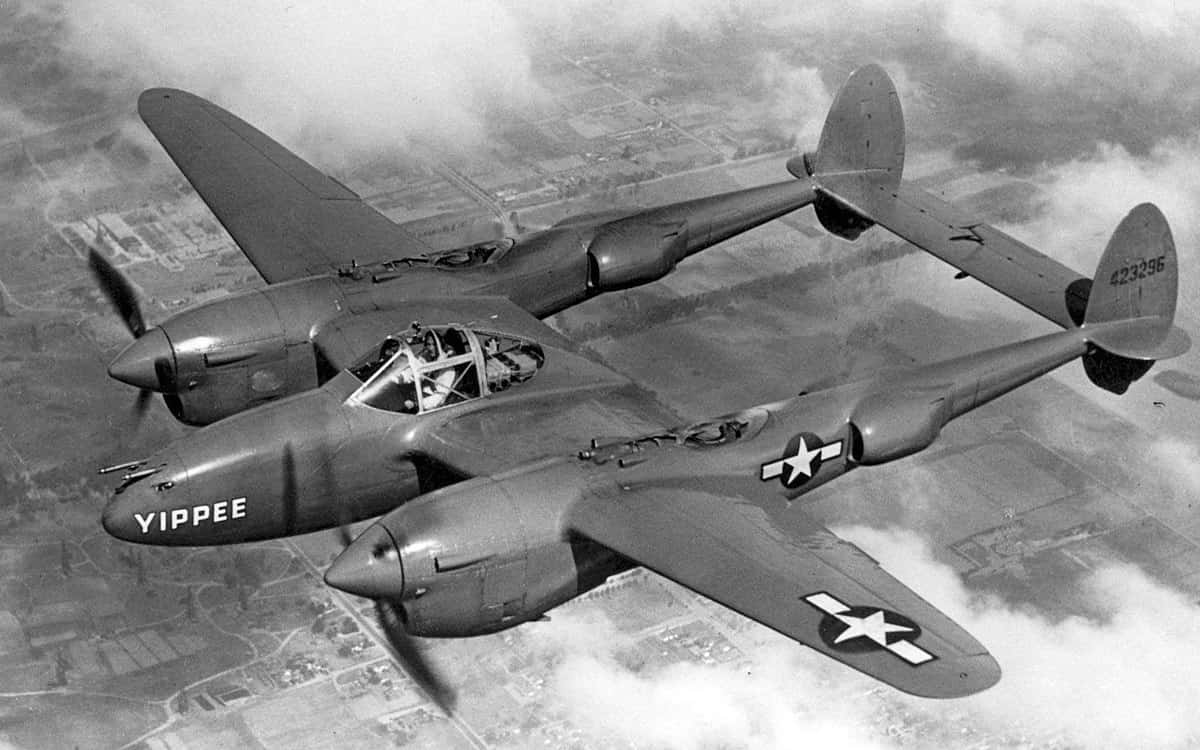
P-38 Lightning
North American T-6 Texan
During World War II, many Allied pilots were familiar with this two-seat advanced trainer. The Navy dubbed the North American Aviation T-6 Texan the SNJ, and the British Royal Air Force dubbed it the Harvard. It assisted in the training of tens of thousands of pilots in 34 different nations. This happened over 25 years. They produced 15,495 units in the time frame. During WWII and the Korean War, it received numerous awards. Despite this, it is primarily recognized for its role as a trainer. If you have $200,000 in your bank account, you can buy one.
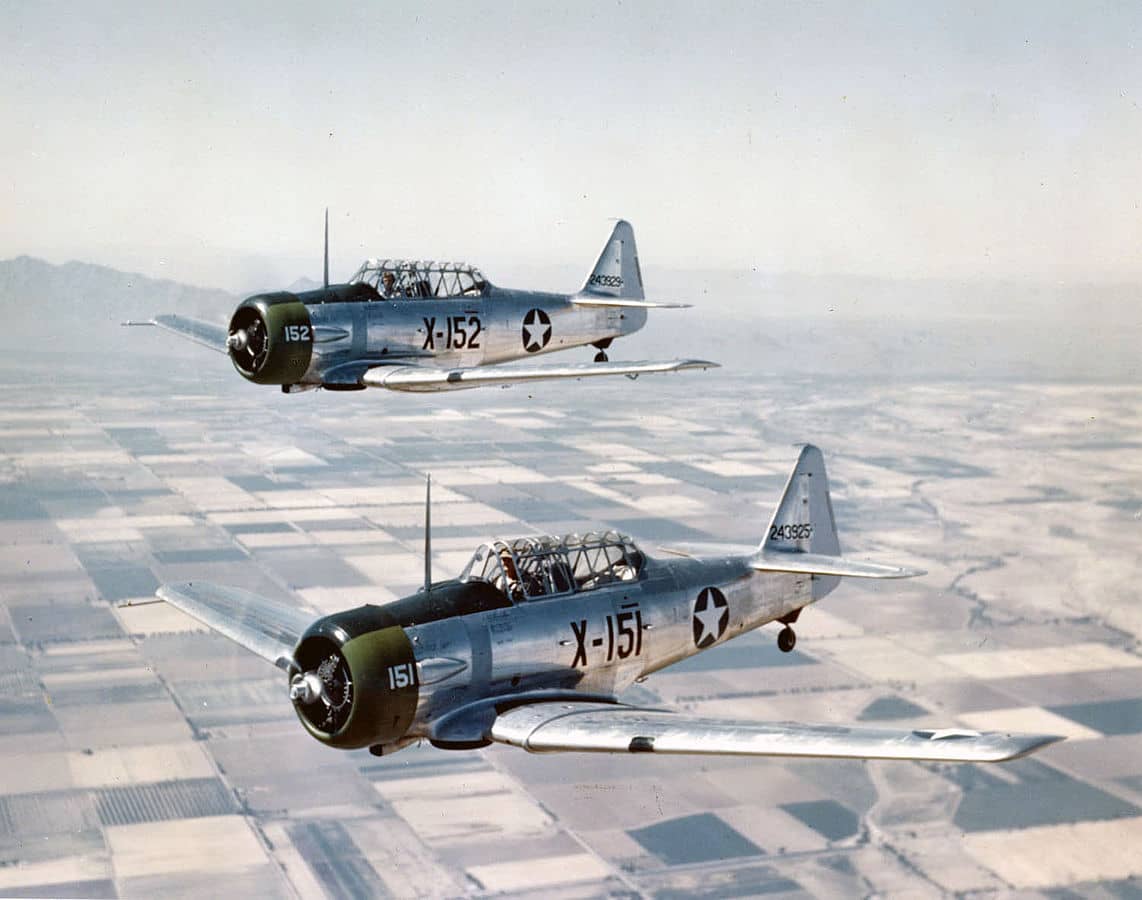
North American T-6 Texan
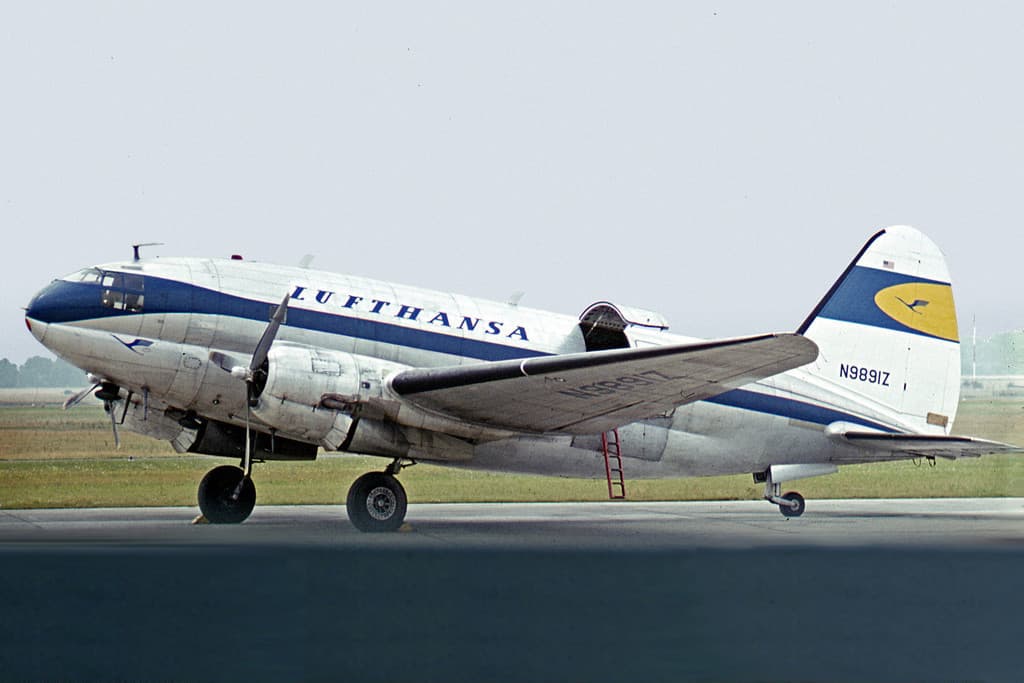
Curtiss C-46 Commando
Fun fact: the Curtiss C-46 Commando is still in use in far-flung corners of the globe. In the mid-’40s, it was utilized as a military transport plane and saw a lot of combat. It was also one of the first military aircraft to have pressurized cabins. The Boeing Stratoliner and the DC-4 were both in use at the same time. This was also a paratroop drop plane, albeit many of the paratroopers were lost. This is why they were relieved of their duties. The C-46 had a spotty military history, and many personnel couldn’t handle it. Regardless, it’s a historically significant plane that’ll set you back $250,000.
Curtiss C-46 Commando
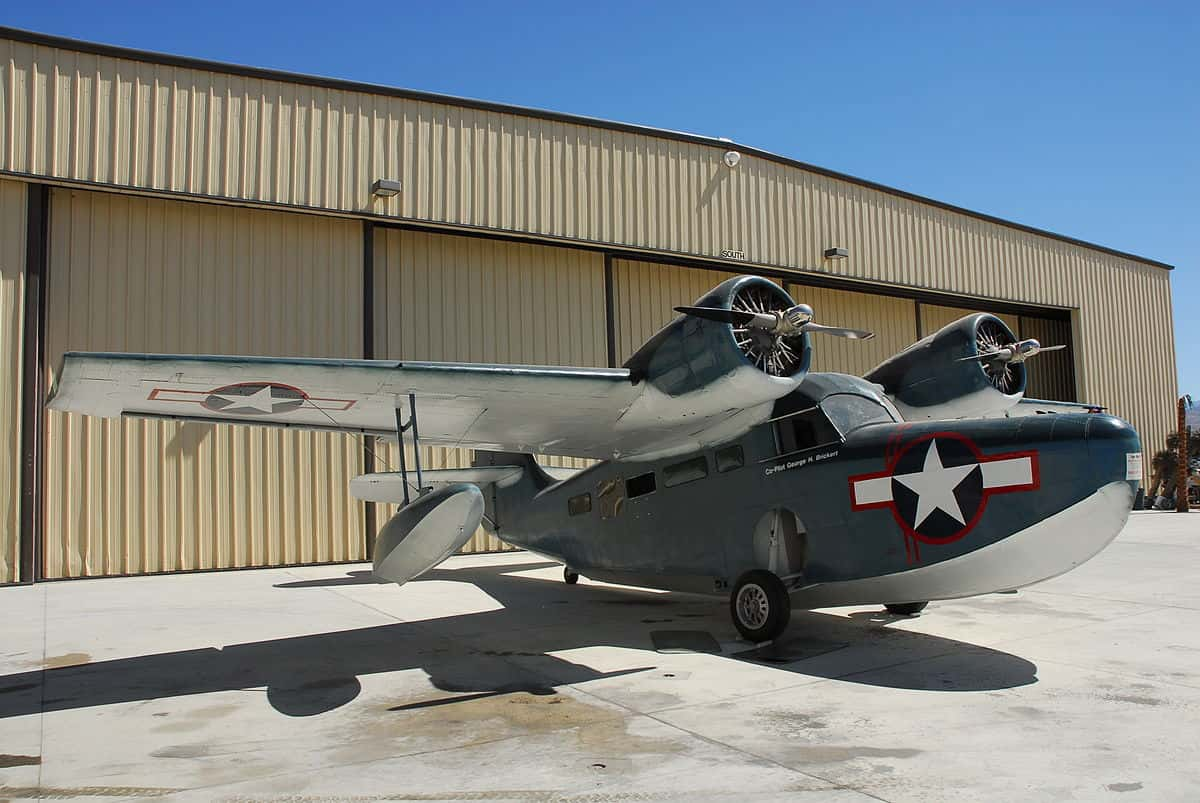
Grumman G-21 Goose
Another plane with a long list of firsts to its credit. The G-21 Goose was the first twin-engine aircraft, the first commercial airliner, and the first single-wing aircraft, all built by Grumman. What an accomplishment! Because it can operate on both land and water, it has seen a wide range of applications over the years. The aircraft’s lifespan demonstrates the competence of its designers and engineers. It was referred to as an “air yacht” by wealthy New Yorkers who had to commute from Long Island to Manhattan. It was later utilized as a passenger airliner, utility plane, and military transport.
Grumman G-21 Goose
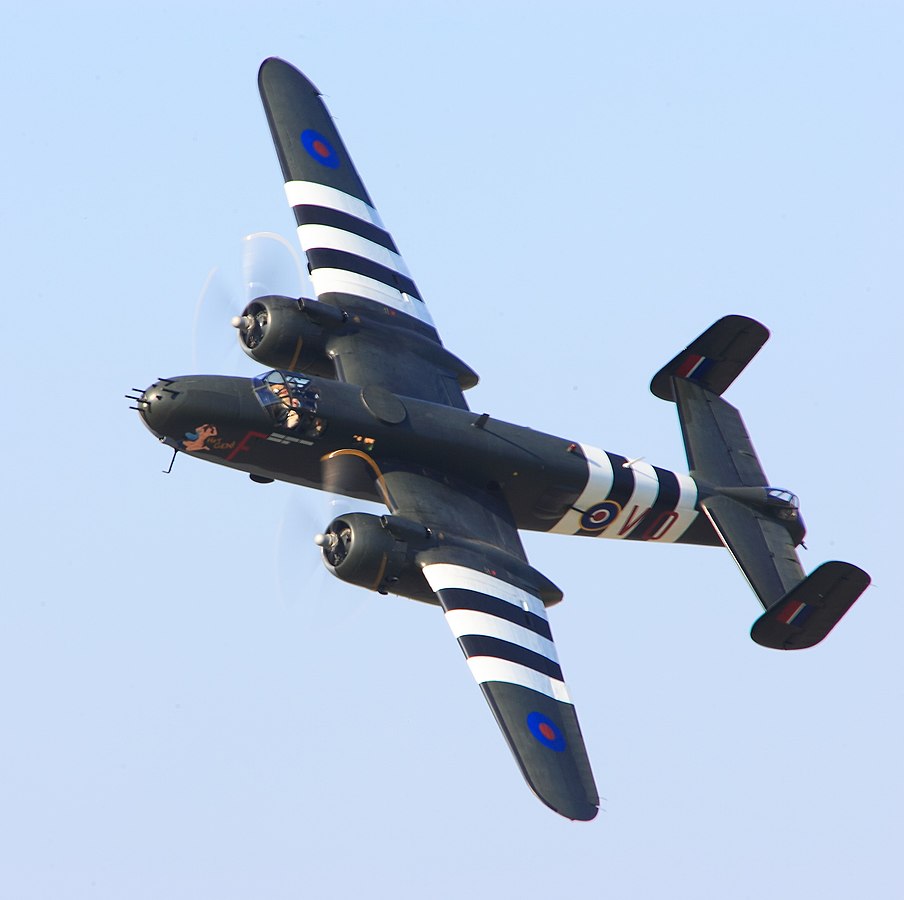
North American B-25 Mitchell
Isn’t it interesting that the Boeing B-25 Mitchell is named after Brigadier General William “Billy” Mitchell? It was a twin-engine bomber that could be used as both a low-level and a high-level bomber. This plane served as a fighter, a photo-reconnaissance plane, and a submarine patrol plane. Between 1939 and 1945, North American Aviation produced approximately 10,000 units. In August 1940, the first flying unit took to the skies. The first five planes were introduced by the US Army Air Corps in February 1941. This spurred a mad rush to build as many as possible! In total, North American Aviation produced 9,816 B-25 bombers at its two sites in Kansas and California. One of them recently sold for $1.4 million.
North American B-25 Mitchell
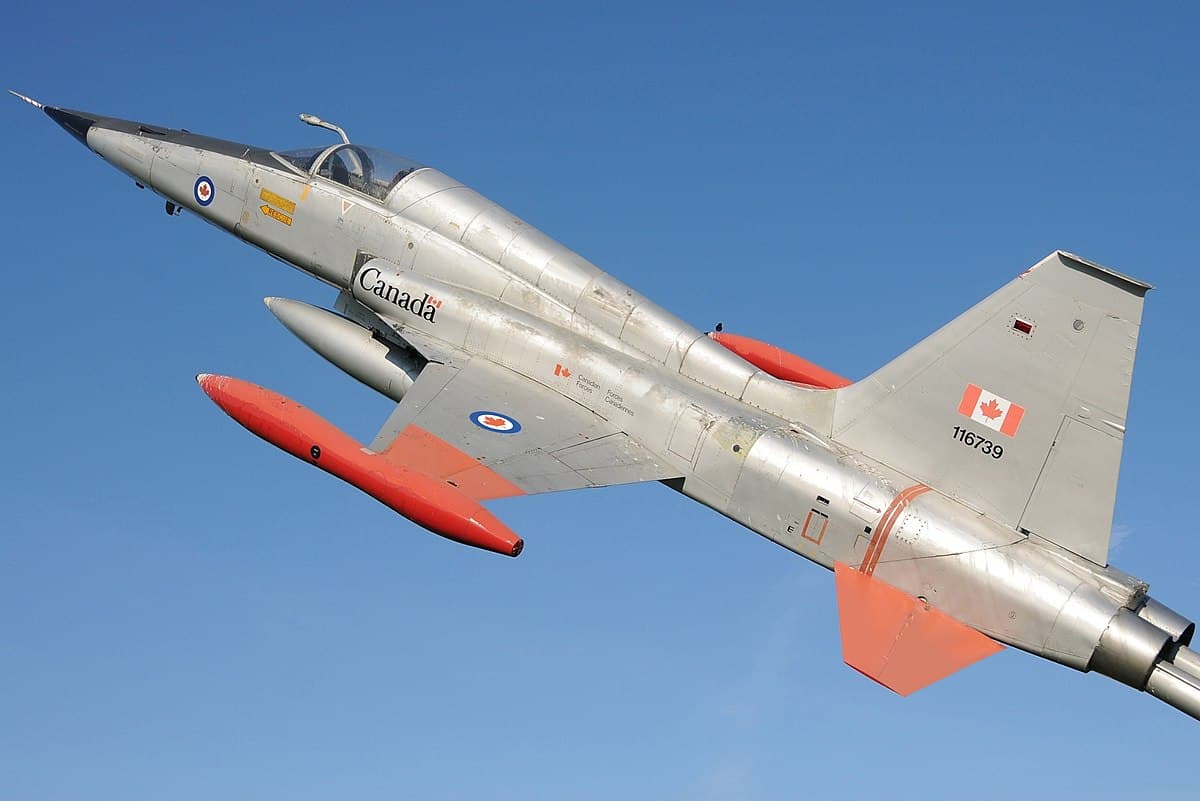
Canadair CF-5 Freedom Fighter
When it came to air combat technology, the Canadair CF-5 Freedom Fighter was a game-changer. This was popular in the 1960s because the ultra-low radar cross-section made long-range detection difficult. Back in the day, this was the closest thing they had to a stealth fighter. As a dogfighter, it was a small “pocket fighter” built from the ground up. Please note that it was also incredibly inexpensive to produce, which was ideal given that it was designed to outnumber NATO countries. The jet had high-tech electronics and had the performance of more expensive planes like the F-4 Phantom, yet it was the same price as a Russian MiG-21. A private buyer purchased a unit not long ago. However, the asking price has not been revealed.
Canadair CF-5 Freedom Fighter
Mitsubishi A6M “Zero” Resin
The Mitsubishi A6M Reisen was the indisputable archetypal plane of the Japanese during World War II. It was designed by Mitsubishi and is known as the Zero fighter. The aircraft, however, was co-produced by Nakajima. Between 1939 and 1945, the companies manufactured over 10,000 units. The Japanese Navy requested designs for a new aircraft to replace the Mitsubishi A5M carrier fighter. In terms of air kills, this jet was renowned. We regret to inform you that we are unaware of the current asking price for a unit.
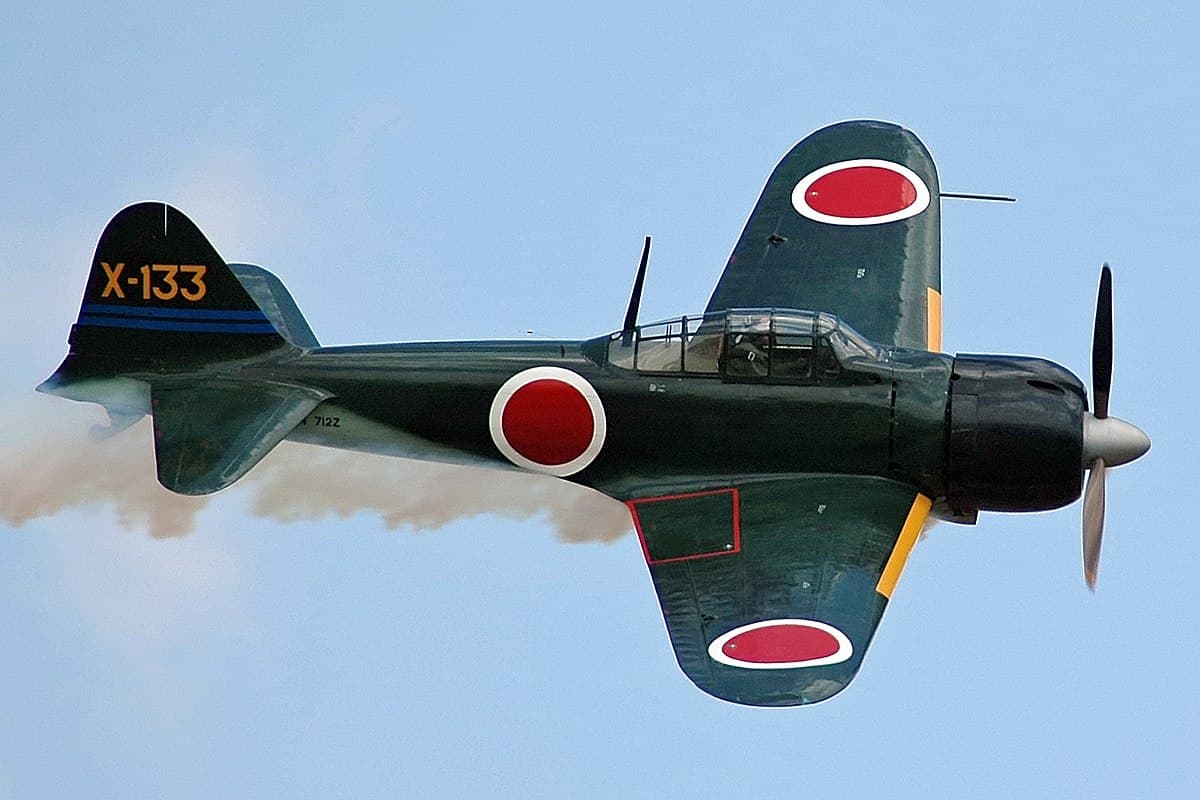
Mitsubishi A6M “Zero” Resin
Short Tucano Trainer
We’ve got a two-seat turboprop basic trainer plane here. Short Brothers created the Short Tucano Trainer on Northern Island. The Royal Air Force has been its primary operator, however, it does occasionally export the jet to Kuwait and Kenya. The prototype flew for the first time in 1986. The Royal Air Force acquired its first units two years later. This plane is mostly used at RAF Linton-on-Ouse, where it provides basic training to RN and RAF student pilots. Before moving on to the Hawk T2 aircraft trainer, students will have logged roughly 130 hours of flight time with it. For over $1.3 million, you can take one home with you.
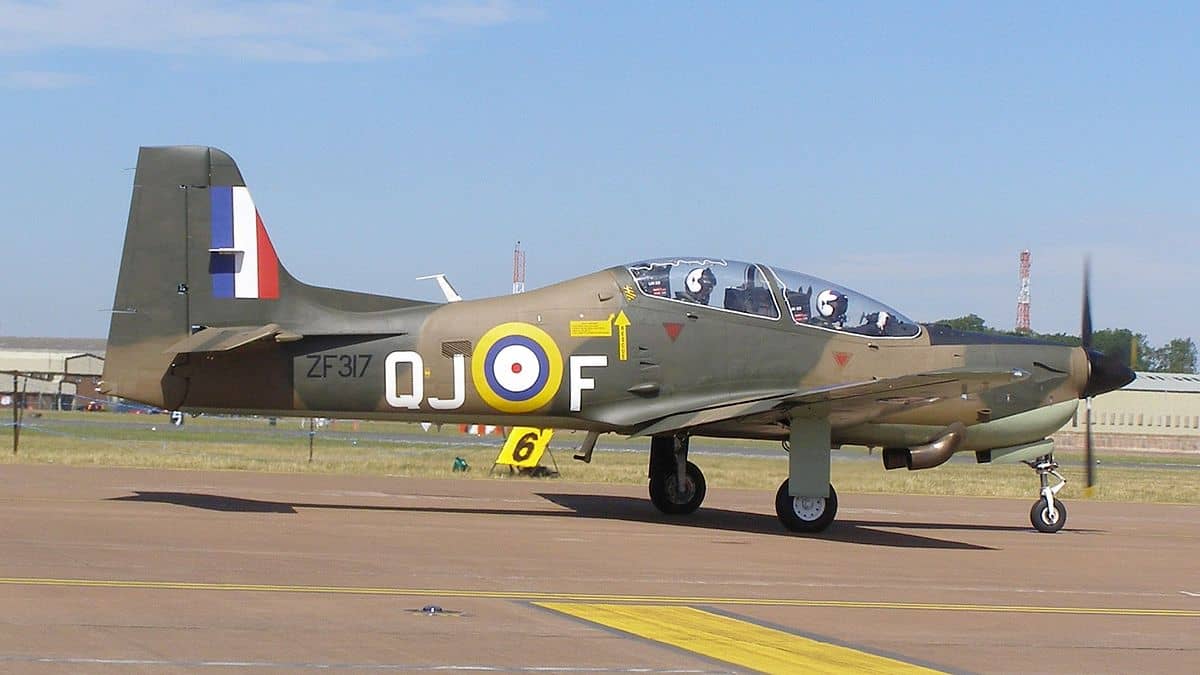
Short Tucano Trainer
Lockheed Martin F-22 Raptor
The Lockheed Martin F-22 Raptor is a single-seat, twin-engine stealth tactical fighter aircraft built entirely in the United States that can endure all types of weather. Although it was developed as an air superiority fighter, it is also capable of electronic warfare and signals intelligence on the ground. After worries about the need for so many, production of this particular aircraft halted in 2009, owing to the fact that it would no longer be relevant in post-Cold War irregular warfare battles. This particular aircraft has an insane value, with a price tag of up to $350 million. There’s a reason why they’re only utilized in the United States. Government…

Lockheed Martin F 22 Raptor
McDonnell Douglas F-15 Eagle
The McDonnell Douglas F-15 Eagle is a twin-engine tactical fighter plane developed by McDonnell Douglas, which is now owned by Boeing. It was first flown in 1972 after being designed in 1969. The aircraft has been victorious in actual aerial combat 100 times with no losses. The Israeli Air Force has primarily employed it in combat, but it has also been exported to Japan and Saudi Arabia. The plane is still being developed today, though in a variety of forms. The aircraft has also seen action in the United States, such as during the Gulf War. During the war, the F-15 was responsible for 36 of the 39 air-to-air victories over Iraqi troops, which is quite significant. A subsequent variant of the aircraft, the F-15EX, costs roughly $87,7 million per plane.

McDonnell Douglas F 15 Eagle
Grumman F-14 Tomcat
The Tomcat was a unique military plane. This aircraft was a supersonic, twin-engine, two-seater, twin-tail wing fighter jet with carrier capability. It was created with the United States in mind. It took to the skies for the first time on December 21, 1970, and was formally deployed in 1974. The F-14 Tomcat was the United States’ fighter jet. Until the early 2000s, the Navy’s principal maritime air superiority fighter jet. After a Low Altitude Navigation and Targeting Infrared for Night (LANTIRN) system was introduced, later models were better adapted to ground-attack missions. With the introduction and popularity of the Boeing F/A-18E/F Super Hornet, it was decommissioned in 2006. However, because several were shipped to Iran during the Pahlavi regime in 1976, they are still in service by Iranian forces. This plane is not cheap, costing up to $38 million.

Grumman F 14 Tomcat
Boeing F/A-18E/F Super Hornet
The F/A-18E/F Super Hornet is a twin-engine, carrier-capable, multirole fighter aircraft based on the McDonnell Douglas F/A018 Hornet. It is the successor to the Grumman F-14. It can carry air-to-air missiles as well as air-to-surface weaponry, thanks to an inbuilt 20mm M61 rotating cannon. The aircraft is equipped with five external fuel tanks and can be converted into an aerial tanker. The super hornet took to the air for the first time in 1995 and is still in use today. 608+ Super Hornets had been constructed as of April 2020. It was supplied to Kuwait and Australia, where it is still in use by respective militaries. This airplane has a price tag of up to $66.9 million dollars.

Boeing FA 18EF Super Hornet
Convair F-106 Delta Dart
The Convair F-106 Delta Dart was the United States’ primary all-weather interceptor aircraft. From its formation in 1956 to its withdrawal in 1988, the Air Force was a part of the United States military. The jet was recognized for its extraordinary speed, and while flying it in 1950, Major Joseph W. Rogers broke a world record of 1,525.96 mph. It was employed by both the United States and the United Kingdom. During its active service, it was used by the Air Force and the Air National Guard. Despite being gradually phased out from the early 1980s, they were turned into drones for training purposes in the late 1980s. The wingspan of this aircraft is 38 feet, 3.5 inches, and it has a cruise speed of 650 miles per hour. It’ll set you back $3.31 million.

Convair F 106 Delta Dart
Lockheed F-94 Starfire
For the United States, a first-generation jet-powered all-weather interceptor. The twin-seat aircraft was created in the 1940s from the Lockheed T-33 Shooting Star trainer. It took over the job of all-weather interceptor from the North American F-82 Twin Mustang. It was the United States’ first operational aircraft. The first jet-powered all-weather fighter to enter combat during the Korean War, and the first to be equipped with an afterburner. It was only in service for a brief time before being superseded in the 1950s by the Northrop F-89 Scorpion and North American F-86D Sabre. The Air National Guard flew the last remaining active-service aircraft in 1959. These planes are actually pretty reasonable, with prices ranging from $123,000 to $196,000.

Lockheed F 94 Starfire
North American F-100 Super Sabre
It was a supersonic jet fighter aircraft that served in the United States Air Force from 1954 to 1971, then in the Air National Guard until 1979, when it was finally decommissioned. This jet was unique in that it was the first aircraft in the United States Air Forces capable of supersonic flying while in level flight. The F-86 Sabre was supposed to get a high-performance upgrade. For numerous flights over North Vietnam, the aircraft was converted as a fighter-bomber and was eventually overtaken by the ultra-quick F-105 Thunderchief. These planes have been spotted on the market, with prices ranging from $664, 000 to $664,000.

North American F 100 Super Sabre
McDonnell F-101 Voodoo
A supersonic jet that served in both the United States and the United Kingdom. The Voodoo was built as a nuclear-armed fighter bomber and as a photo-reconnaissance aircraft based on the same airframe. It was originally meant to be a long-range bomber escort, but was instead developed as a nuclear-armed fighter bomber and as a photo reconnaissance aircraft. The aircraft’s F-101A version set multiple speed records for jet-powered aircraft, including the fastest airspeed. The United States Air Forces retired it in 1972, and the Canadian Air Forces retired it in 1984. The Voodoo can be as expensive as $1.819 million.

McDonnell F 101 Voodoo
Convair F-102 Delta Dagger
It was built in the 1950s as part of the backbone of the United States Air Force’s air defense system. During the Cold War, it was first employed in 1956 to intercept Soviet strategic bomber fleets. The F-102 was a U.S. fighter plane. The first operational supersonic interceptor and delta-wing fighter for the Air Force. After several years of service with the National Guard, it was deactivated in 1979. Many of the planes were later converted into target drones, and some were exported to Turkey and Greece. This plane can cost up to $1,184,000 to buy.

Convair F 102 Delta Dagger
North American F-86 Sabre
During the Korean War, the Sabrejet (nickname) was a transonic fighter aircraft most remembered for being the United States’ first swept-wing fighter capable of matching the swept-wing Soviet MiG-15 in high-speed dogfights in the sky. In comparison to fighters from past eras, the F-86 is well rated. Although it was created in the late 1940s, by the end of the 1950s, it had become obsolete. It proved versatile and adaptable, and many air forces, including the Japanese, Francoist Spanish Air Force, and Republic of Korea Air Force, continued to use it as a front-line fighter. It had two variations, the Canadair Sabre and the North American Fj-2/-3 Fury, after being evolved from the North American FJ-1 Fury. This plane is one of the more cheap options on the list, with prices starting at $178,000.

North American F 86 Sabre
Canadair Sabre
The Canadair Sabre is a North American Aviation-licensed jet fighter aircraft developed by Canadair. It is a derivative of the F-86 Sabre, and it first flew in 1950. It was primarily employed by the Royal Canadian Air Force, but it was also utilized by the United States Air Force. The United States Air Force, the Royal Air Force of the United Kingdom, and the German Air Force. In 1962, the RCAF replaced it with the Canadair CF-104. It was most recently utilized in Pakistani front-line actions, but Pakistani forces deactivated it in 1980. There aren’t many of these on the market, but the F-86 Sabre, a variation of these, may cost up to $178,000.

Canadair Sabre
Republic F-105 Thunderchief
The Thunderchief took to the air for the first time in 1955 and was officially debuted in 1958. The aircraft was retired in 1984 and was primarily operated by the United States Air Forces. The Thunderchief was a Mach 2 supersonic fighter-bomber that was employed for many strike bombing missions during the Vietnam War’s early years. Due to high loss rates, it was the only American aircraft removed from battle. It was modified into a two-seat Wild Weasel version for specialist Suppression of Enemy Air Defenses (SEAD) against surface-to-air missile sites, despite its origins as a single-seat nuclear-attack aircraft. Its crews affectionately referred to it as ‘Thud.’ It was the world’s largest single-seat, single-engine combat aircraft when it entered service, weighing in at 50000 pounds.

Republic F 105 Thunderchief